

Four symptoms, four very different answers
Water heater complaints sound similar and are not. No hot water at all on a gas unit is usually ignition or a thermocouple; on electric it is usually one of the two heating elements or a thermostat. Both are repairs, and neither is expensive.
Not enough hot water is different again. It might be a failed lower element heating only the top of the tank, a dip tube that has broken and is mixing cold water into the outlet, or simply a household that has outgrown a forty-gallon tank.
Rusty or discoloured hot water usually means the anode rod has been consumed and the tank has started corroding from the inside. That is sometimes recoverable if it is caught early and sometimes not.
Water on the floor around the base of the tank is the one that is not a repair. Once a tank has rusted through, no amount of work restores it, and every hour it stays there is an hour it could empty its full contents into your basement.
At a glance
- Hot water calls prioritisedNo hot water in winter is treated as urgent.
- Diagnosed properlyElement, thermostat, dip tube or tank, they are not the same problem.
- Honest about failureIf the tank is gone we say so rather than selling you a repair.
- Written price firstApproved by you before any work starts.
What the symptom means
Three of these are repairs. One of them is not.
No hot water at all
Gas: pilot, thermocouple or gas valve. Electric: an element or thermostat. Both are routine repairs, not replacements.
Runs out quickly
A failed lower element, a broken dip tube, or heavy sediment stealing capacity. Occasionally just an undersized tank for the household.
Rusty or discoloured hot water
Usually a consumed anode rod and a tank starting to corrode internally. Worth acting on quickly, it is the early warning.
Water pooling at the base
The tank has failed. Shut off the water and the power or gas to it, and call. This one does not get repaired.
Popping or rumbling
Sediment on the bottom of the tank. Flushing helps if it is caught early; left long enough it insulates the burner and shortens the tank’s life.
Relief valve discharging
Either excessive pressure or a failing valve. Both need looking at, a T&P valve is the last line of safety on a water heater.
What happens on the call
Diagnose, price, repair, and be straight about tanks that are finished.
Book water heater repairEstablish the symptom
No hot water, not enough, or water quality, each sends the diagnosis in a different direction.
Test the components
Gas: pilot, thermocouple, gas valve and venting. Electric: elements, thermostats and the breaker. Plus the anode and the T&P valve on any unit.
Assess the tank itself
Age, corrosion, sediment level and any weeping. If the tank has failed, you get told plainly rather than sold a repair that will not last.
Repair and verify
A written price, the repair, then recovery time and temperature checked before we leave.
Water heater repairs
Gas, electric and tankless, including units we did not install.
Gas units
- Thermocouples and pilot assemblies
- Gas control valves
- Burner cleaning and adjustment
- Venting and draft issues
- Igniters on electronic-ignition models
- Combustion testing after repair
Electric units
- Upper and lower heating elements
- Thermostats and high-limit resets
- Wiring and breaker faults
- Element scaling and replacement
- Recovery time verification
- Sizing check against household demand
All types
- Anode rod inspection and replacement
- Tank flushing and sediment removal
- T&P relief valve replacement
- Dip tube replacement
- Expansion tank inspection
- Leaking fitting and connection repair
What water heater repair costs
Most water heater repairs are affordable and quick. Thermocouples, elements, thermostats and T&P valves are inexpensive parts and straightforward labour, usually finished in one visit.
The judgement call is age. On a tank over ten years old facing anything beyond a minor repair, the money is often better put toward replacement, tanks do not get more reliable, and the failure mode is a basement full of water.
We will put both numbers in front of you. If replacement is the right answer, our $250 installation special and financing both apply, and we can usually do it the same day.
What moves the price
- Which part failedThermocouples and elements are cheap; gas control valves are considerably more.
- Gas or electricDifferent components, different diagnostic time.
- Age of the tankPast ten years, repair economics shift toward replacement quickly.
- AccessTight closets and crawlspaces add time to what is otherwise routine work.
Water heater repair questions
My water heater is leaking. Can it be repaired?
If the leak is at a fitting, a valve or the relief valve, yes. If water is pooling from the base of the tank itself, the tank has rusted through and no repair is possible. Shut off the water and the power or gas and call, a failed tank can empty completely.
Why do I run out of hot water so fast?
On an electric unit, most often a failed lower element heating only the top of the tank. Otherwise a broken dip tube mixing cold water into the outlet, heavy sediment stealing capacity, or a tank genuinely too small for the household.
How long should a water heater last?
Eight to twelve years for a typical tank, longer if the anode rod has been replaced and the tank flushed periodically. Connecticut water hardness pushes many toward the lower end of that range.
What is that popping noise?
Sediment on the bottom of the tank, with water boiling underneath it. Flushing helps if it is caught early. Left for years it insulates the burner from the water and shortens the tank’s life considerably.
Should I repair or replace?
Under about eight years old with a straightforward fault, repair. Over ten with anything significant, replacement usually wins, especially given that the failure mode is water on the floor rather than simply no hot water.
Can you replace it the same day?
Often yes. Standard tank sizes are stocked, and a like-for-like replacement is typically a few hours’ work.
On the job
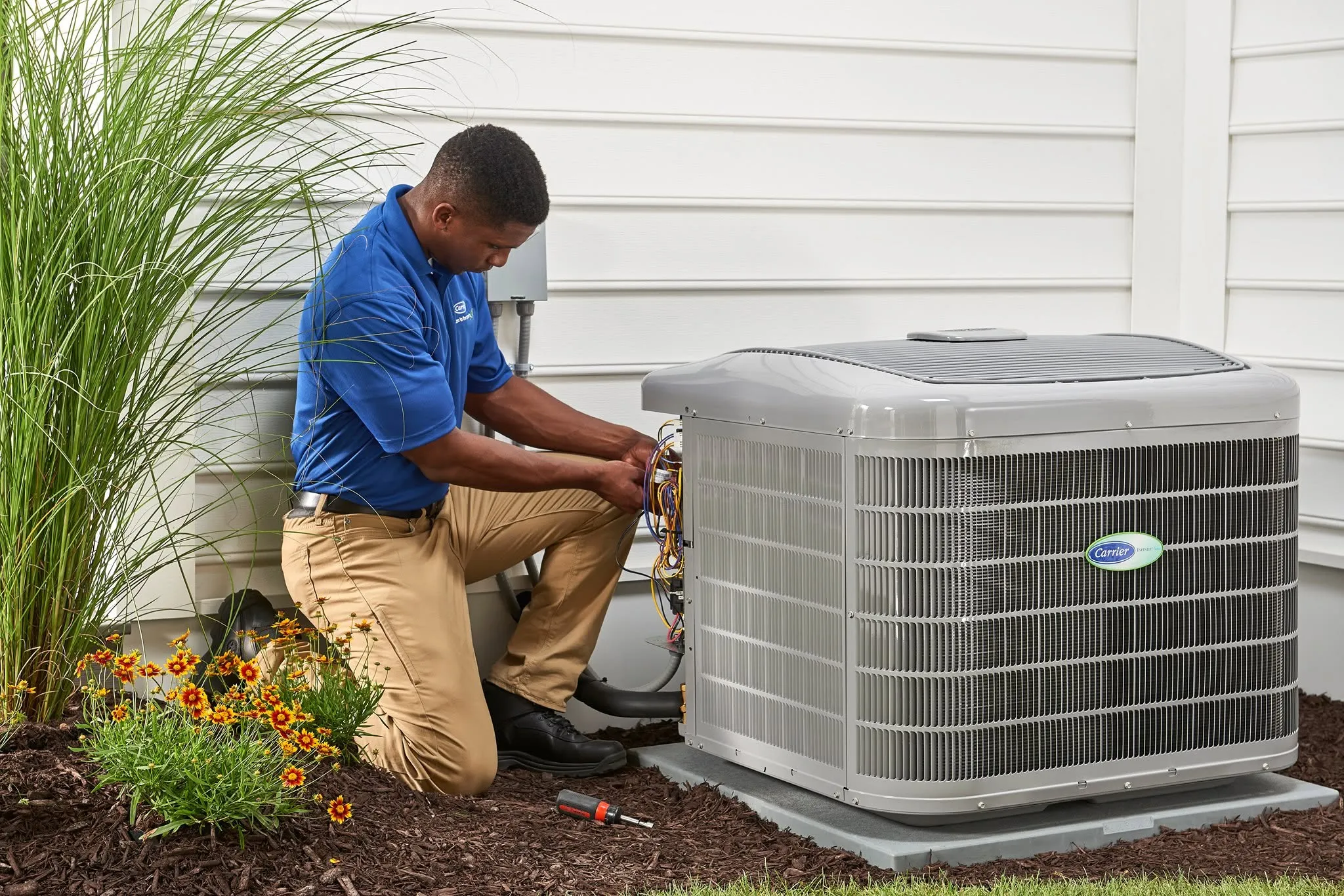
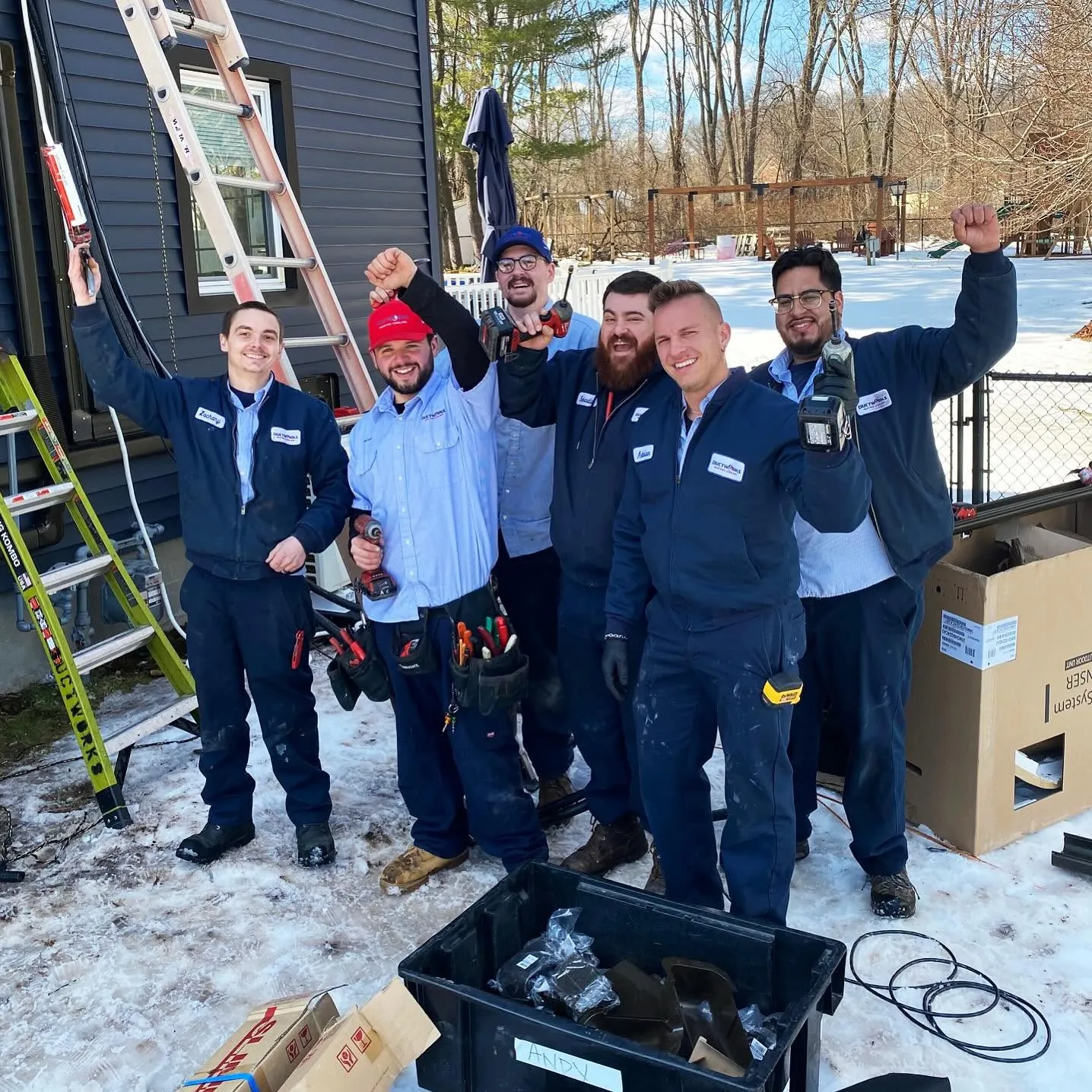
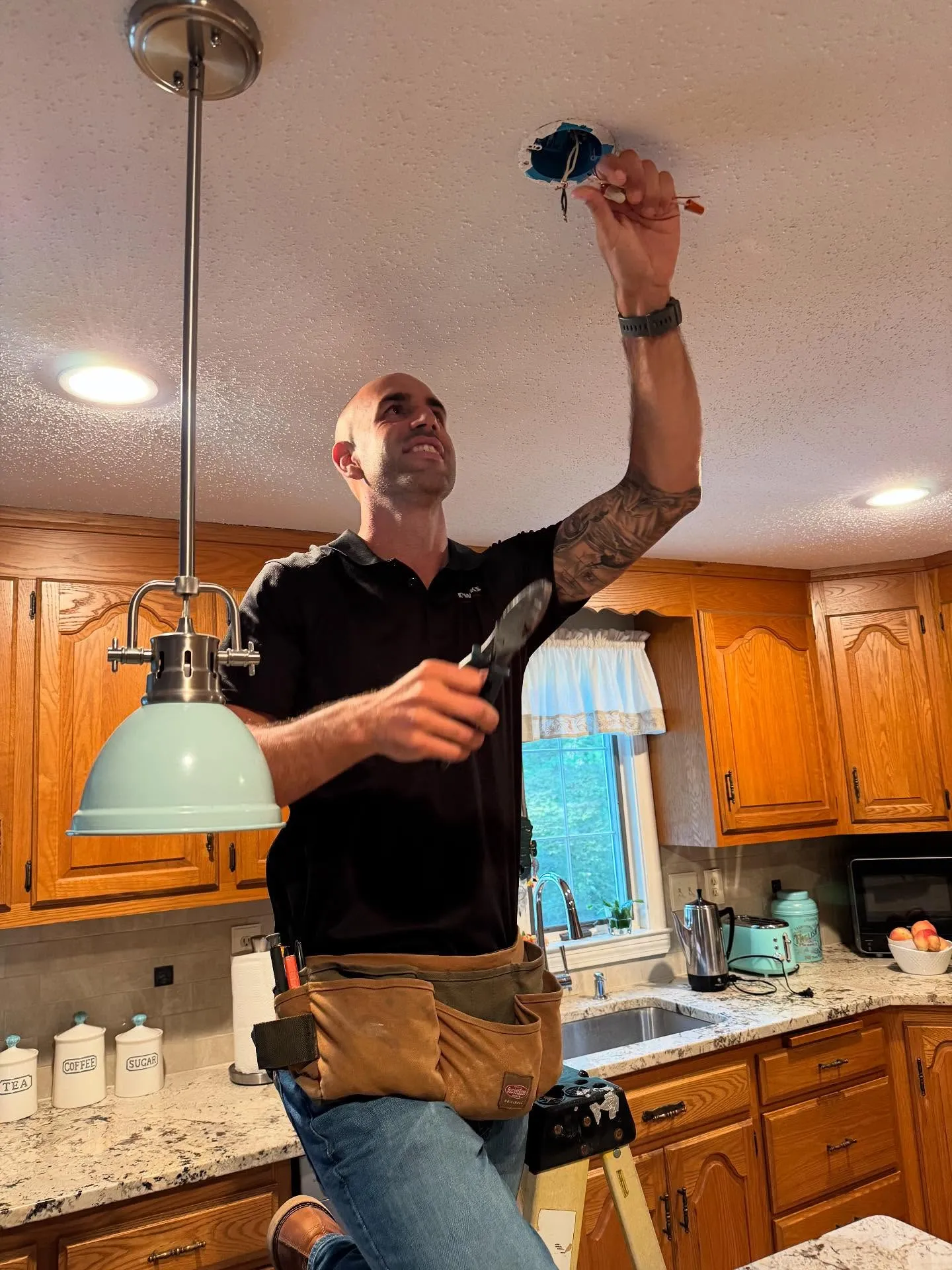
Real crews, real Connecticut houses, no stock photography.
Need help today?
Whether it's an emergency repair or you're planning your next home upgrade, our friendly team is ready to help.
Call 860-245-1986Book plumbing service online
Tell us what’s going on and we’ll call to confirm your appointment window.