

The failures we find in spring are cheap. In July they are not
Air conditioning sits unused for most of the Connecticut year, and things quietly degrade while it does. Capacitors drift out of spec. Condensate drains grow biofilm over a wet spring. Condenser coils pack with cottonwood and lawn clippings. Refrigerant seeps from a fitting that was slightly loose all along.
None of that announces itself. The system starts on the first warm day and appears fine, and then fails during the first genuinely hot stretch, which is precisely when every HVAC calendar in Central Connecticut is full and emergency rates apply.
A spring tune-up is the cheap version of that same conversation. A capacitor reading low costs very little to replace in April. The same capacitor taking out a compressor in July is a different order of magnitude.
And efficiency matters here. A condenser coil packed with debris can add a noticeable amount to a summer electricity bill for exactly the same cooling. Cleaning it is not cosmetic.
At a glance
- Book April to MayAhead of the first heat, while the calendar is still open.
- Measured readingsSuperheat, subcooling, temperature split and amperage, recorded.
- Real cleaningCondenser coil, evaporator, blower wheel and condensate drain.
- Comfort Club priorityMembers skip the diagnostic fee and jump the queue in a heatwave.
What a tune-up is protecting
Five things that a spring visit reliably prevents.
Summer running costs
A dirty coil and a low charge make the system work considerably harder for the same result, every hour it runs.
Peak-season waits
The first hot week fills every calendar in the region. A failure then means days without cooling, not hours.
Condensate overflows
A drain that clogs during the season can flood a ceiling. Clearing it in spring takes minutes.
Warranty conditions
Most manufacturers require documented annual service to keep the parts warranty intact.
Compressor life
Low charge and restricted airflow are the two things that kill compressors. Both are found by measurement, not by looking.
Humidity control
A correctly charged, correctly airflowed system removes far more moisture. That is most of what comfort actually is in a Connecticut August.
What is on the checklist
About ninety minutes for a standard system, and you keep every reading.
Book a spring tune-upRefrigerant performance
Superheat and subcooling measured against the manufacturer chart, the only reliable way to know the charge is right.
Deep clean where it matters
Condenser coil washed, evaporator inspected and cleaned, blower wheel checked, condensate drain and trap flushed.
Electrical and mechanical
Capacitors tested against rated values, contactor inspected, compressor and fan amperage measured, wiring tightened.
Report and recommend
Temperature split, static pressure and all readings written down and compared to last season, with a quote for anything we flag.
What a cooling tune-up includes
The same rigour on central air, heat pumps and ductless systems.
Outdoor unit
- Condenser coil washed and fins inspected
- Refrigerant pressures and charge verified
- Compressor and fan amperage measured
- Capacitor tested against rating
- Contactor points inspected
- Level, clearance and debris cleared
Indoor unit
- Evaporator coil inspection and cleaning
- Blower wheel and motor checked
- Filter replaced or specified
- Condensate pan, trap and drain flushed
- Float switch tested
- Temperature split verified
Controls & report
- Thermostat calibration and schedule review
- Safety controls and disconnect tested
- Static pressure across the system
- Written readings versus last season
- Photographs of anything flagged
- Quote for recommended work, no pressure
Tune-up pricing and the Comfort Club
A single cooling tune-up is a flat price per system. If you also have heating equipment to service, and almost everyone does, the Comfort Club bundles both visits and generally costs less than buying them separately.
Membership also drops the diagnostic fee on plan visits, discounts any repair we make, and puts you ahead of non-members when a heatwave fills the schedule. That last part is worth more than it sounds in the third week of July.
Nothing gets repaired on a maintenance visit without your approval. You get the reading, a photograph and a written price, and you are free to think about it.
What moves the price
- Number of systemsTwo condensers or several ductless heads means more time on site.
- System typeDuctless heads need individual cleaning and take longer than a single central system.
- Plan vs one-offComfort Club membership normally undercuts buying the visits individually.
- Add-onsDeep coil cleaning on a badly neglected system, or filtration upgrades, are priced separately.
AC maintenance questions
When should I book my AC tune-up?
April or May. The system has been idle all winter, the calendar is still open, and anything we find is cheap to fix before the season rather than during it.
How often does air conditioning need servicing?
Once a year for a system used only in summer. Heat pumps, which run year-round, want two visits, one for cooling and one for heating.
Can I clean the outdoor unit myself?
You can safely clear leaves and grass clippings from around it and keep two feet of clearance. Washing the coil properly needs the right approach and pressure, done wrong, bent fins make the problem worse.
How often should I change the filter?
Every one to three months during the cooling season, depending on the filter and whether you have pets. A blocked filter is the most common cause of a frozen coil.
Does a tune-up really save money?
A dirty coil, a low charge or restricted airflow all make the system draw more power for the same cooling. Over a Connecticut summer that difference is usually larger than the cost of the visit.
What if you find something wrong?
You get the reading, a photograph and a written price. We do not repair anything on a maintenance visit without asking first.
On the job
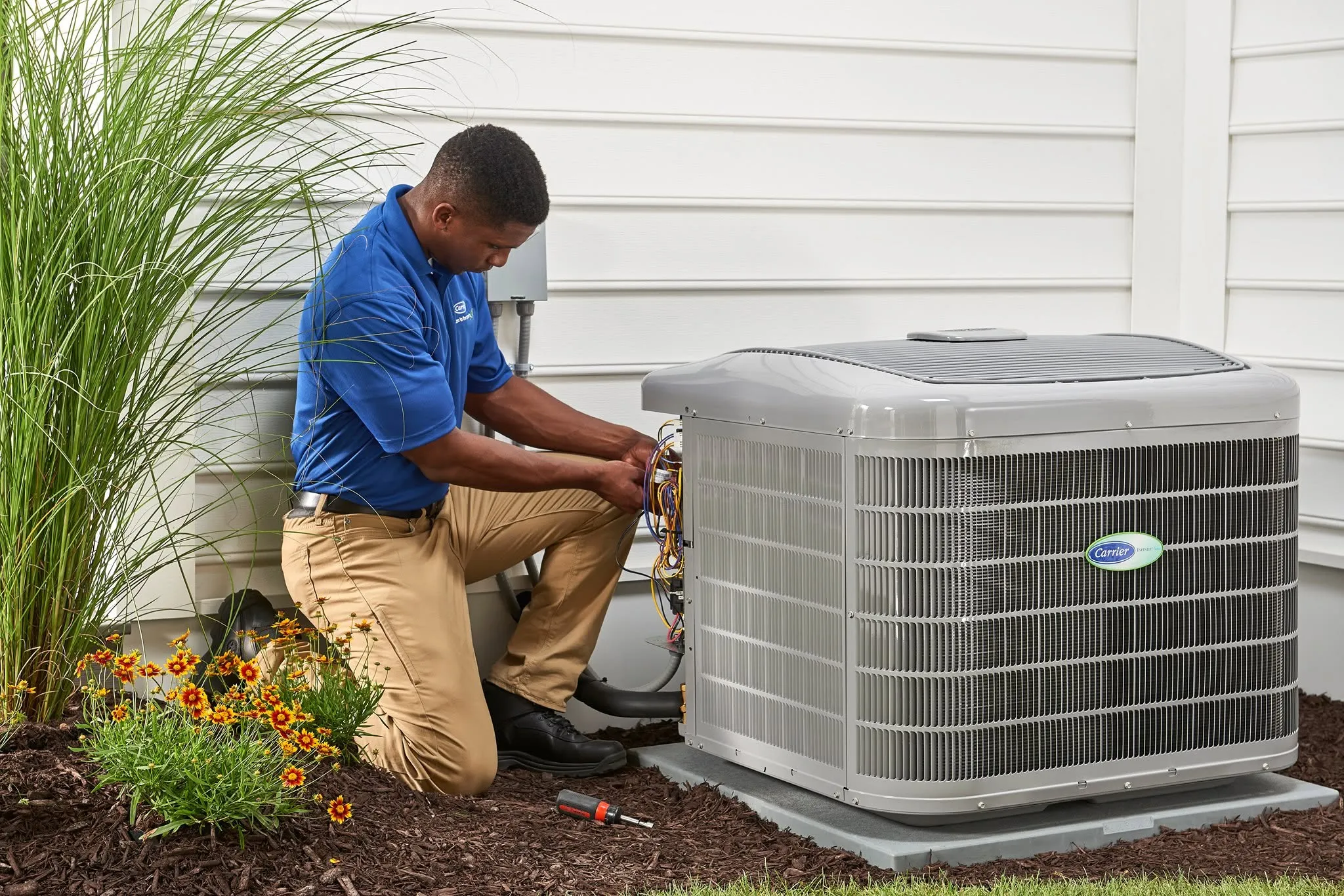
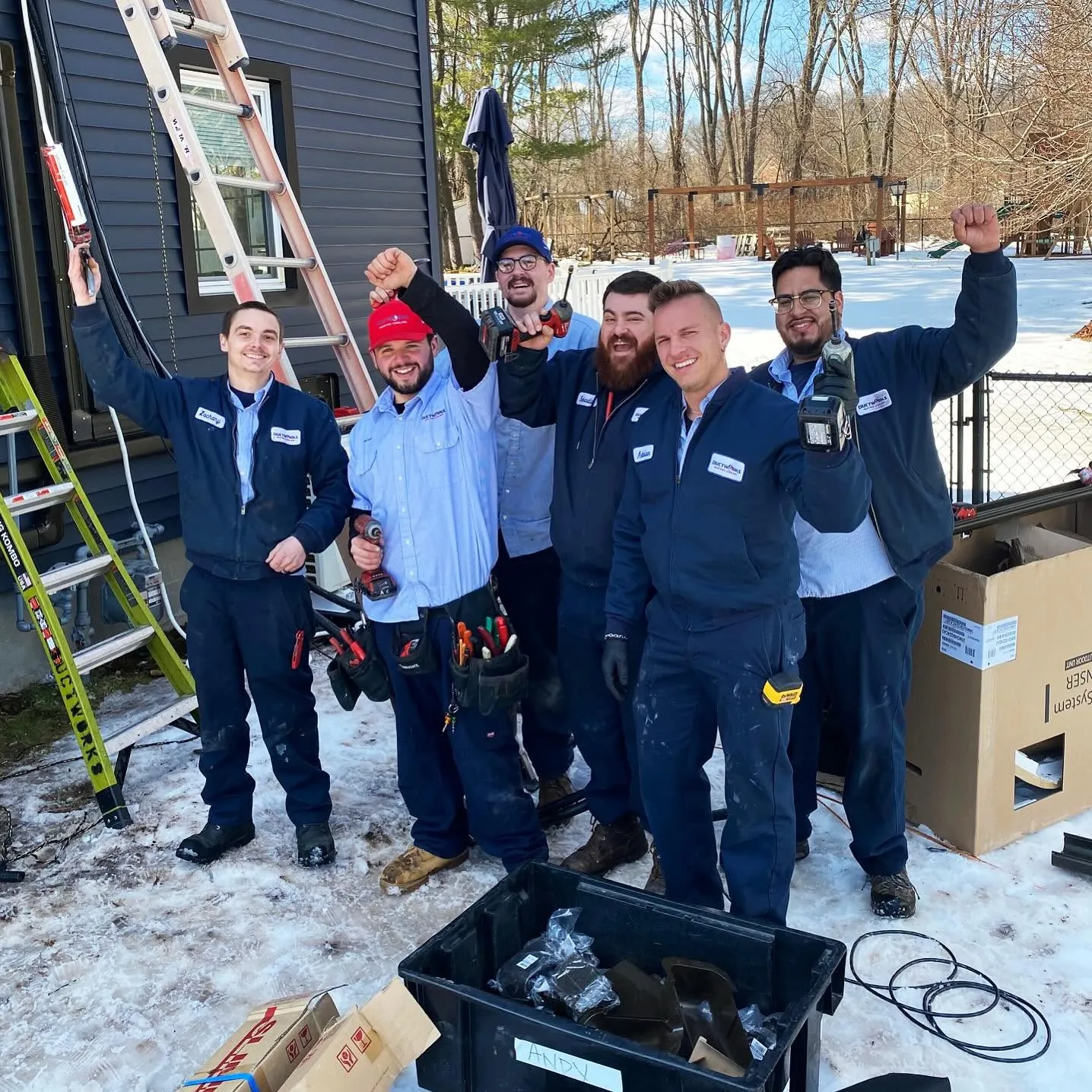
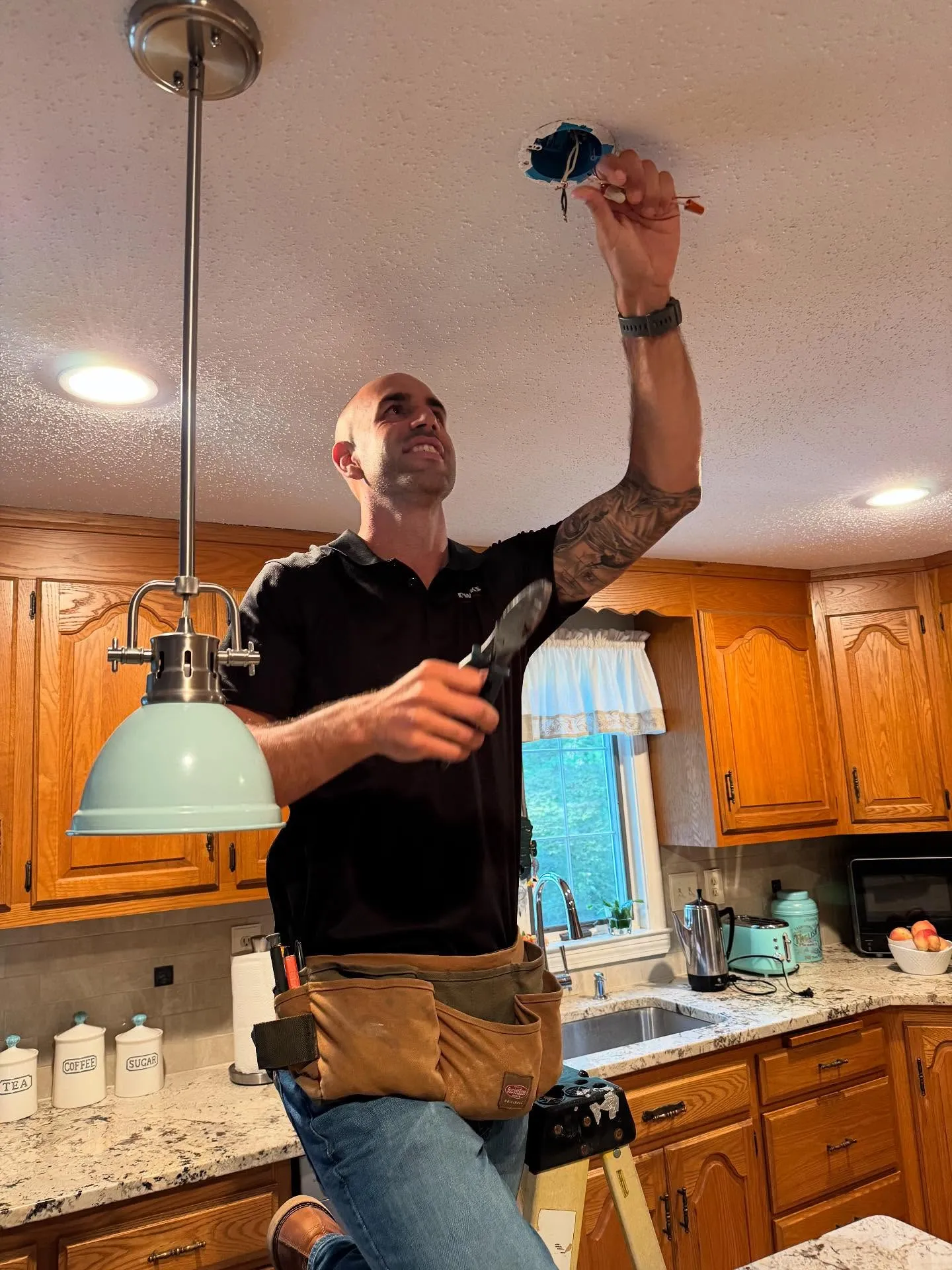
Real crews, real Connecticut houses, no stock photography.
Need help today?
Whether it's an emergency repair or you're planning your next home upgrade, our friendly team is ready to help.
Call 860-245-1986Book cooling service online
Tell us what’s going on and we’ll call to confirm your appointment window.