

The answer for houses that were never built for ductwork
A large share of Central Connecticut housing heats with hot water and has no ducts anywhere in the building. For decades that meant window units in July and space heaters in the back bedroom. Ductless mini splits changed that, and they are now the single most common upgrade we install.
A mini split is a heat pump split into two halves: a compact outdoor unit and one or more indoor heads, connected by a line set about three inches across. There is no duct run, no soffit chase, and no tearing into finished ceilings. A single-head installation is usually a one-day job.
Each head is controlled independently, which is the part homeowners notice most. The bedroom can be cool while the living room is not. The converted attic that was always ten degrees off the rest of the house finally holds its own temperature. And because they are heat pumps, the same units heat in winter at a running cost that beats electric baseboard comprehensively.
They are not invisible, an indoor head is a visible object on a wall, and we would rather show you exactly where it goes before you commit than have you discover it on install day.
At a glance
- No ducts, minimal disruptionA three-inch penetration per head, not a construction project.
- Room-by-room controlEach head sets its own temperature independently.
- Heats and coolsSame unit, both seasons, at heat pump running costs.
- Rebate eligibleQualifying systems fall under Energize Connecticut incentives.
Where ductless makes the most sense
The situations where it usually beats every alternative we could quote you.
You heat with a boiler
No ducts means no conventional central air. Ductless gives you cooling without touching the hydronic system you already like.
An addition or converted space
Bonus rooms, attic conversions and enclosed porches are almost never served properly by the original system.
One room is always wrong
A single head fixes the hot upstairs bedroom for far less than rebalancing or extending ductwork.
You are still using window units
Quieter, far more efficient, secure, and they heat as well as cool. And the window goes back to being a window.
Garages, workshops and offices
Detached and semi-conditioned spaces where extending the main system was never realistic.
Replacing electric baseboard
The biggest running-cost win available. Baseboard is the most expensive heat in Connecticut by a wide margin.
How a ductless install works
One day for a single head in most houses; two for a larger multi-zone system.
Get a ductless quoteWalk the rooms with you
We work out how many heads, what capacity each needs, and, importantly, exactly where they go on the wall and where the line set runs outside.
Written quote with placement
Head locations, outdoor unit position, line set routing and cover work all specified before you agree to anything.
Install day
Outdoor unit set on a pad or brackets, heads mounted, line sets run and sealed, condensate routed, electrical connected.
Charge, test and hand over
Refrigerant verified by weight, every mode tested in every zone, filters shown to you, and remotes or app control set up before we go.
Ductless services
Single-zone through to multi-zone systems, plus service and repair on any brand.
System types
- Single-zone systems for one problem room
- Multi-zone systems running up to eight heads
- Wall-mounted, ceiling cassette and floor-mounted heads
- Slim ducted heads concealed in a soffit or closet
- Cold-climate models rated for Connecticut winters
- Whole-house ductless in place of central equipment
Installation detail
- Capacity sized per room, not per house
- Head placement planned with you before quoting
- Line set covers finished neatly on exterior walls
- Condensate routed properly, with a pump where needed
- Dedicated electrical circuits installed in-house
- Permits, inspection and rebate documentation
Service & repair
- Twice-yearly maintenance, heating and cooling
- Indoor coil and blower wheel deep cleaning
- Blocked condensate line clearing
- Refrigerant leak detection and repair
- Inverter board and outdoor fan faults
- Remote, thermostat and app control setup
What ductless costs
A single-zone system covering one room is one of the more affordable comfort upgrades available, and it is usually a one-day installation. Cost scales with the number of heads rather than jumping, a three-zone system is not three times a single-zone.
The variables are how far the indoor heads sit from the outdoor unit, how the line sets need to be routed and finished, and whether a new electrical circuit is required. All of that is specified in the written quote before install day.
Qualifying cold-climate ductless systems frequently fall under Energize Connecticut incentives, and our current installation special and financing both apply. We work the net number out with you at quote time.
What moves the price
- Number of zonesEach additional head adds equipment and labour, but the outdoor unit is shared.
- Line set routingA head on the far side of the house needs longer runs and more exterior finishing.
- Head styleCeiling cassettes and slim ducted units cost more than standard wall heads.
- Electrical workMost installs need a dedicated circuit; older panels sometimes need capacity added.
Ductless mini split questions
How many heads do I need?
It depends on the rooms, not the square footage alone. Open-plan spaces can often run on one well-placed head, while closed bedrooms each need their own. We walk the house and size per room rather than applying a rule of thumb.
Are they noisy?
Indoor heads run at conversation-quiet levels on low, and most people find them quieter than the forced-air system they replaced. The outdoor unit is comparable to a modern air conditioner, and placement matters, we plan it away from bedroom windows.
Do mini splits heat well in winter?
Cold-climate models do, and they are what we install. They hold useful capacity well below freezing and cost far less to run than electric baseboard or resistance heat.
How visible is the indoor unit?
A wall head is a visible object roughly the size of a long, slim cabinet mounted high on the wall. Ceiling cassettes and slim ducted units are far less obtrusive if the look matters to you. We show you the exact placement before you commit.
What maintenance do they need?
Filters rinsed by you every few weeks in heavy use, and professional service twice a year. Indoor coils and blower wheels collect biofilm if they are neglected, which is the main cause of mini split odour complaints.
Can they replace my whole heating system?
In a well-insulated house, yes, whole-house ductless is a genuine option. In a draughtier house, keeping the boiler for the coldest weeks and using ductless for the shoulder seasons and cooling is usually the better answer.
On the job
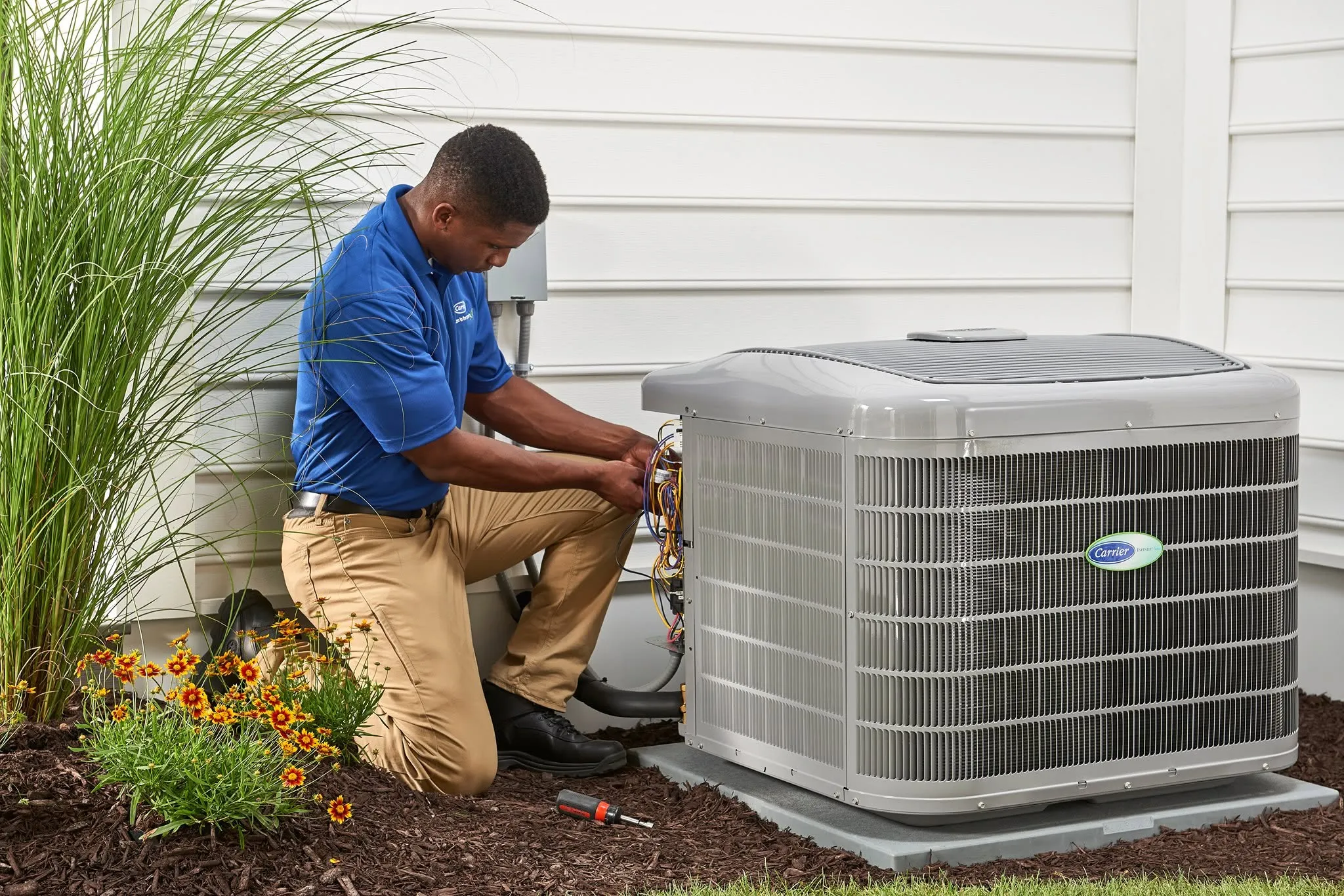
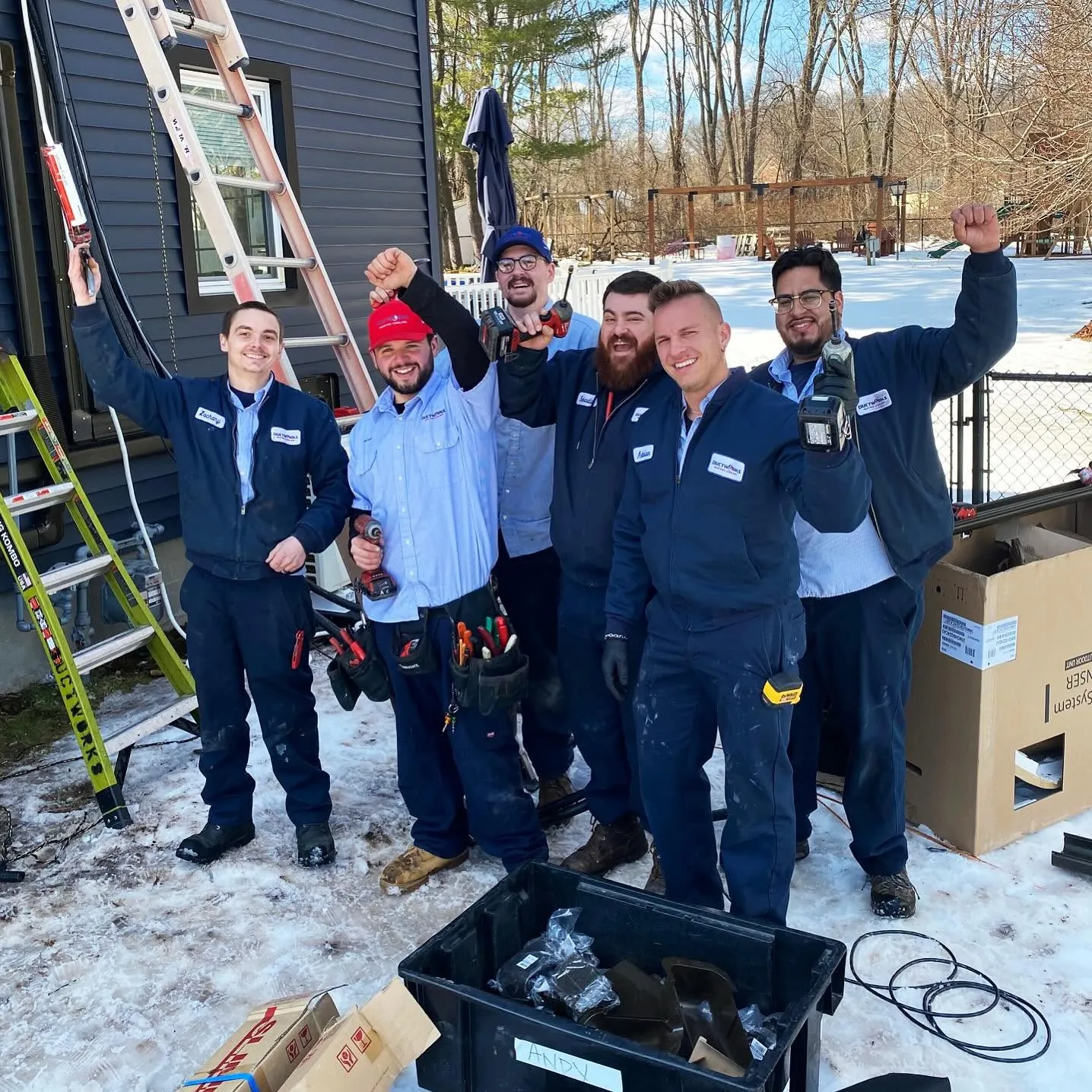
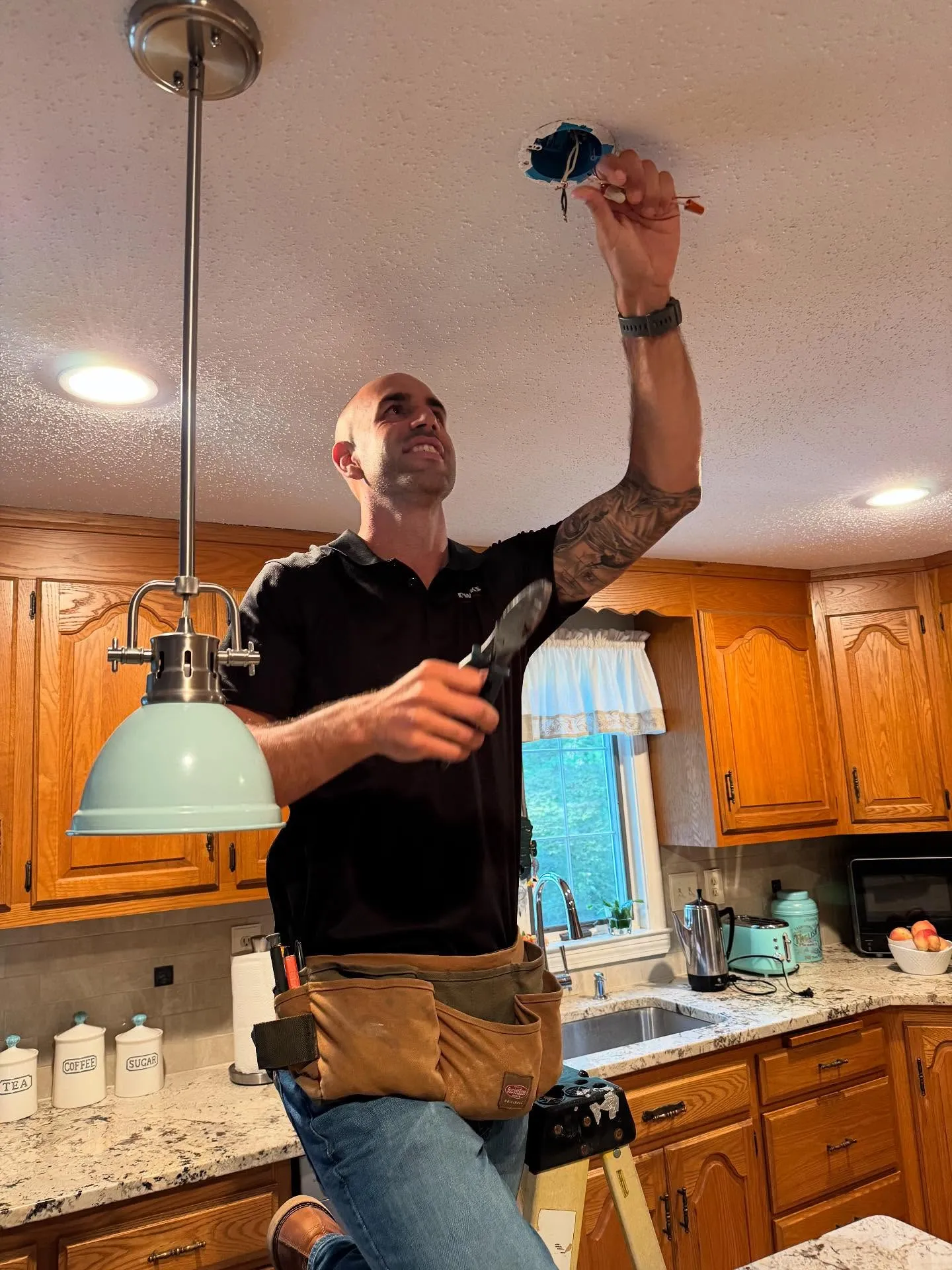
Real crews, real Connecticut houses, no stock photography.
Need help today?
Whether it's an emergency repair or you're planning your next home upgrade, our friendly team is ready to help.
Call 860-245-1986Book heating service online
Tell us what’s going on and we’ll call to confirm your appointment window.