

Almost every no-heat call we take was preventable
We are not going to pretend maintenance eliminates breakdowns. What it reliably does is move them: from the coldest night of the year, when you are paying emergency rates and waiting behind other cold houses, to a Tuesday in October when the part is on the van and the house is fine.
The failures we find on tune-ups are almost always cheap at that stage. A flame sensor coated with residue, a capacitor reading below spec, a cracked condensate trap, a blower drawing more current than it should. Left alone, each of those becomes a no-heat call within a season or two.
A proper tune-up is measurement. Combustion analysis, gas pressure, temperature rise, static pressure, amperage draw on the motors, and a heat exchanger inspection. Those readings get compared against the manufacturer specification and against your own numbers from last year, which is how a system in decline becomes visible before it fails.
You get those readings in writing. If a technician cannot show you numbers, you did not get a tune-up.
At a glance
- Measured, not eyeballedCombustion, temperature rise, static pressure and amperage, recorded each visit.
- Compared year over yearYour readings tracked against last season, so decline shows up early.
- Comfort Club priorityMembers get scheduling priority, repair discounts and no diagnostic fee on plan visits.
- Warranty protectionMost manufacturers require documented annual service to keep the warranty valid.
Why the timing matters
Book in early autumn if you can. Here is what the visit is actually protecting.
Efficiency decay
A dirty, out-of-spec system burns noticeably more fuel for the same heat. The tune-up frequently pays for itself over a Connecticut winter.
Warranty voids
Most manufacturers require documented annual maintenance. Skip it, and a failed component years later can become entirely your bill.
Carbon monoxide
Combustion testing and heat exchanger inspection are the only reliable way to catch a developing CO problem before an alarm does.
Equipment lifespan
Systems that are serviced annually last years longer. It is the cheapest way to defer a five-figure replacement.
Scheduling pressure
The first cold week fills every HVAC calendar in Central Connecticut. October tune-ups get the appointment you actually want.
Quiet decline
Nothing feels wrong until it fails. Tracked readings are how a slowly failing part gets caught while it is still cheap.
What is on the checklist
Roughly ninety minutes for a standard system, longer if we find something worth showing you.
Book a tune-upSafety and combustion first
Combustion analysis, draft, gas pressure, heat exchanger inspection and CO testing around the appliance.
Clean what affects performance
Burners, flame sensor, blower wheel, condensate trap and drain. Filters checked and replaced where we supply them.
Measure the whole system
Temperature rise, static pressure, motor amperage, refrigerant performance on heat pumps, and every safety control tested.
Report and recommend
You get the readings, a plain-English summary of anything trending wrong, and a written quote for anything that needs doing, never work done on the spot without asking.
What a tune-up includes
Same rigour on every fuel and system type. Heat pumps get a cooling-side check too.
Combustion & safety
- Combustion analysis and efficiency reading
- Draft and venting inspection
- Heat exchanger visual inspection
- Carbon monoxide testing around the appliance
- Gas pressure and leak check on connections
- All limits, rollout and safety switches tested
Airflow & mechanical
- Blower wheel cleaned and motor amperage measured
- Filter inspection and replacement
- Static pressure across the system
- Temperature rise verified against spec
- Belts, bearings and capacitors checked
- Condensate trap, drain and pump cleared
Controls & reporting
- Thermostat calibration and schedule review
- Zone valve and circulator operation
- Ignition sequence timed and verified
- Written readings compared to last season
- Photographs of anything we flag
- Quote for recommended work, no pressure
Tune-up pricing and the Comfort Club
A single heating tune-up is a flat price per system, booked whenever suits you. Most homeowners with more than one system, or with both heating and cooling to think about, end up better off on a plan.
The Comfort Club bundles the heating and cooling visits, adds a discount on any repairs, drops the diagnostic fee on plan visits, and puts you ahead of non-members in the queue when the weather turns. For most Central Connecticut houses it costs less over a year than the two visits bought separately.
Nothing on a maintenance visit gets repaired without your approval. If we find something, you get the reading, a photograph and a written price, and you are free to think about it.
What moves the price
- Number of systemsTwo furnaces or a furnace plus mini splits means more visits and more time.
- Fuel typeOil systems need nozzle and burner work that gas systems do not, so they take longer.
- Plan vs one-offComfort Club membership generally undercuts buying visits individually.
- Add-onsHumidifier service, duct cleaning and filtration upgrades are priced separately and only if you want them.
Maintenance questions
How often should heating equipment be serviced?
Once a year for gas and propane, before the heating season. Oil systems benefit from annual service too and are less forgiving if it is skipped. Heat pumps run year-round, so they want two visits, heating and cooling.
When is the best time to book?
September and October. The first genuinely cold week fills every calendar in Central Connecticut, and a tune-up booked then competes with no-heat calls that will always take priority.
Does maintenance really keep my warranty valid?
For most manufacturers, yes, documented annual service is a condition of the parts warranty. We leave you the paperwork that satisfies it.
What is the difference between this and a filter change?
A filter change is five minutes and no measurement. A tune-up is combustion analysis, safety testing, cleaning and recorded readings compared against spec. If nobody showed you numbers, it was not a tune-up.
Will you try to sell me a new system?
No. We will tell you what we measured and what it means. If a system is genuinely near the end we will say so and price the options, but a tune-up visit is not a sales call.
Is the Comfort Club worth it?
If you have more than one system, or both heating and cooling, almost always. The plan bundles the visits, discounts repairs and moves you up the queue in the weeks when that matters most.
On the job
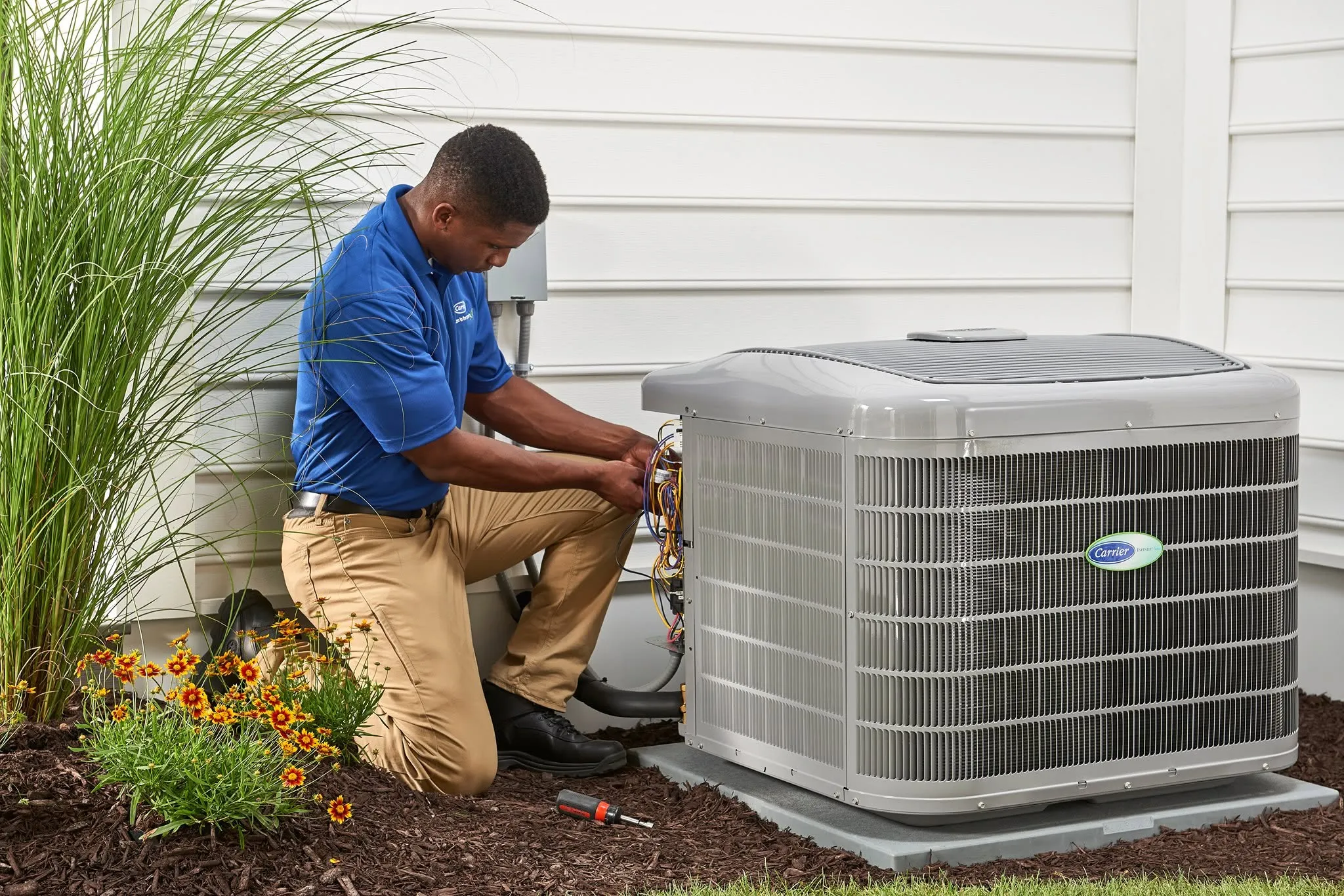
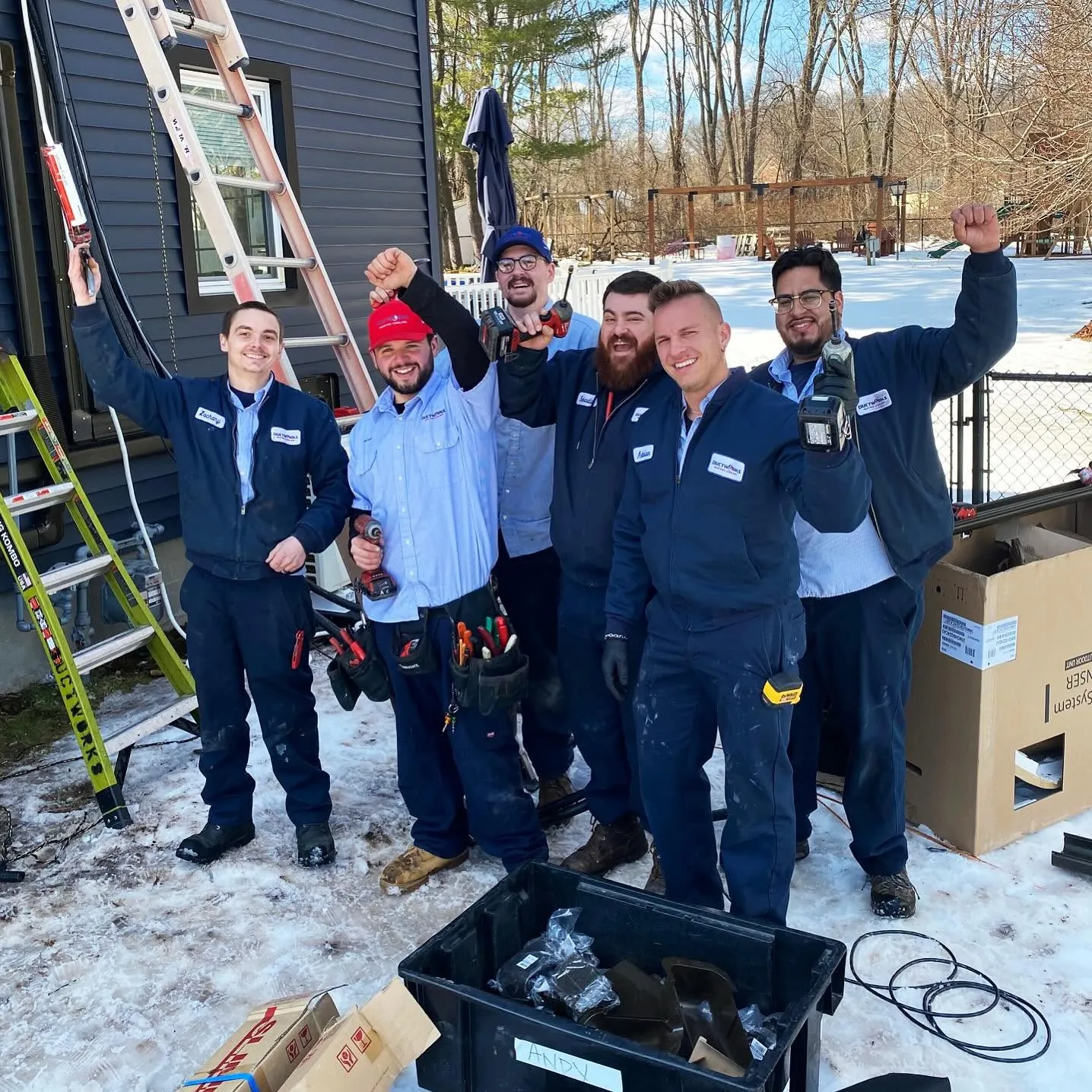
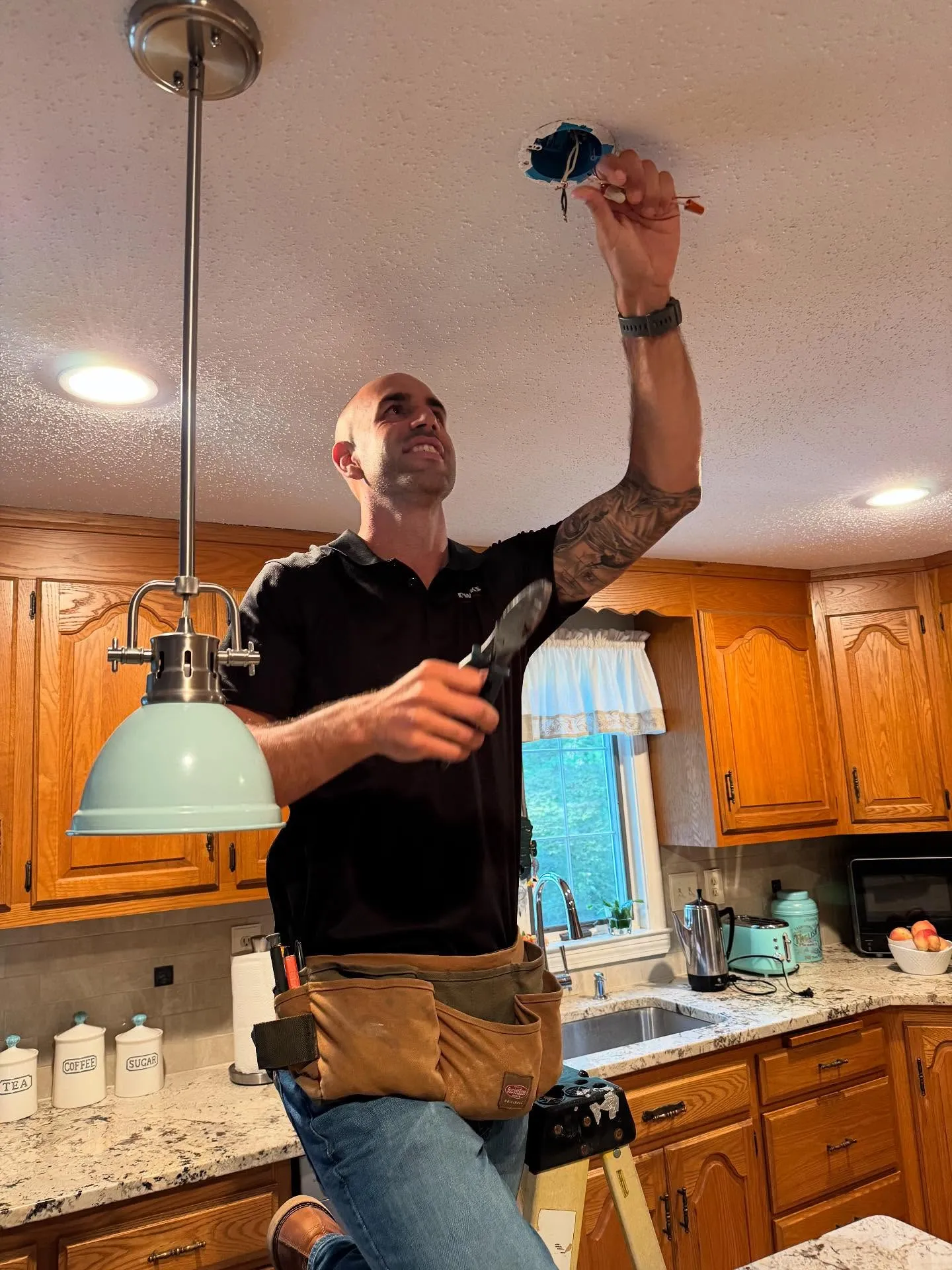
Real crews, real Connecticut houses, no stock photography.
Need help today?
Whether it's an emergency repair or you're planning your next home upgrade, our friendly team is ready to help.
Call 860-245-1986Book heating service online
Tell us what’s going on and we’ll call to confirm your appointment window.