

Older houses, hydronic heat, and why it is worth keeping
A large share of the housing stock across Southington, West Hartford, Middletown and the shoreline heats with water rather than air. Cast iron radiators, baseboard loops, and in the older places, steam. It is quiet, it is comfortable, and it does not blow dust around the house, which is exactly why we spend a lot of time keeping these systems alive rather than pushing everyone toward forced air.
Boilers also fail differently from furnaces. The problems tend to be pressure, circulation and air in the lines rather than ignition, and diagnosing them means understanding the whole loop, not just the appliance. A radiator that will not heat is often a zone valve or an air pocket, not a boiler fault at all.
We service gas, oil and propane boilers, hot water and steam, from the modern wall-hung condensing units through to cast iron systems that predate most of the people working on them.
When a boiler genuinely is at the end, we size the replacement to the actual heat loss of your house rather than matching the old nameplate, which on most Connecticut houses means the new boiler is smaller, quieter and considerably cheaper to run.
At a glance
- Hot water & steamBoth systems, including cast iron and older gravity conversions.
- Gas, oil & propaneFull combustion setup and efficiency testing on every fuel.
- Loop-wide diagnosisPressure, circulation, zoning and air, not just the appliance.
- Heat-loss sizingReplacements sized to the house, not copied off the old plate.
Boiler symptoms worth a call
Hydronic systems give plenty of warning. These are the ones that get expensive if they are left.
Some radiators heat, others do not
Usually air in the loop, a stuck zone valve, or a circulator that is not moving water to that zone. Rarely the boiler itself.
Pressure gauge reading wrong
Too low and circulation fails on upper floors. Too high and the relief valve dumps. Both point at the expansion tank or fill valve.
Banging or knocking pipes
On steam, usually trapped condensate and a pitch problem. On hot water, often air or a failing circulator bearing.
Visible leaks or rust staining
Small weeps around fittings are fixable. Rust streaking down the boiler body itself is a section failure and a different conversation.
Long recovery times
If the house takes hours to come up to temperature, the boiler is either scaled, badly controlled, or genuinely undersized for the load.
Relief valve discharging
A relief valve letting go is doing its job, but something upstream is wrong and it needs looking at now, not in spring.
Read the whole loop
Pressure, temperature, circulator operation, zone valve function and air separation before we open the appliance.
Combustion test
Every fuel, every visit. Efficiency, draft and safety readings recorded rather than eyeballed.
Fix or scope
Small faults get repaired the same visit. If it is a section failure or a badly designed near-boiler piping job, you get the full picture and a written option to replace.
Balance and verify
After any work we bleed, balance and run the system through a full call, so every zone actually heats before we leave.
What boiler work covers
From a stuck zone valve on a Tuesday to a full replacement with new near-boiler piping.
Repairs
- Circulator pumps and bearing assemblies
- Zone valves, thermostats and controls
- Expansion tanks and fill valves
- Relief valves and low-water cutoffs
- Air separators and system bleeding
- Leak repair on fittings and near-boiler piping
Service & tuning
- Annual combustion analysis and efficiency setup
- Burner cleaning and nozzle replacement on oil
- Descaling and flushing on scaled systems
- Steam trap and vent inspection
- Radiator and baseboard balancing
- Outdoor reset control setup
Replacement
- Room-by-room heat loss calculation
- High-efficiency condensing and cast iron options
- Correct near-boiler piping and primary/secondary loops
- Indirect water heater integration
- Permits, inspection and rebate paperwork
- Full system flush before commissioning
What boiler work costs
Repairs start with the same flat diagnostic fee as any other heating call, and you get the written price before we begin. Circulators, zone valves and expansion tanks are routine, predictable work.
Replacement is a bigger number, and it varies more than furnaces do because the piping around the boiler matters as much as the boiler. A straightforward swap in a well-piped basement is very different from a system that needs the near-boiler piping rebuilt to work correctly.
High-efficiency condensing boilers cost more up front and typically qualify for Energize Connecticut incentives. We prepare the equipment documentation and price both options honestly so you can compare running costs, not just sticker prices.
What moves the price
- Cast iron vs condensingDifferent price brackets, different lifespans, different venting requirements.
- Near-boiler pipingIf the existing piping is wrong, doing it properly is part of the job, not an upsell.
- Indirect hot waterAdding or replacing an indirect tank at the same time changes the scope.
- Venting routeCondensing boilers need PVC venting run to an exterior wall, which some basements make easy and others do not.
Boiler questions
How long does a boiler last?
Cast iron boilers routinely run twenty-five to thirty-five years with maintenance. Modern condensing boilers are more efficient but generally last fifteen to twenty. Both numbers assume annual service.
Why is one radiator cold when the rest are hot?
Nine times out of ten it is air trapped in that radiator or a zone valve not opening. Bleeding a radiator is a safe homeowner job; if it comes back within weeks, the system is drawing air in somewhere and that needs finding.
Should I switch from a boiler to forced air?
Rarely worth it on its own. Hydronic heat is comfortable and quiet, and converting means running ductwork through a house that has none. If you want air conditioning too, ductless mini splits alongside the boiler is almost always the cheaper and less invasive route.
What pressure should my boiler run at?
Most residential hot water systems sit around 12 to 15 psi cold, rising modestly when hot. If yours is climbing well above that or dropping toward zero, the expansion tank or fill valve needs attention.
Do you work on steam systems?
Yes. Steam needs a different skill set, venting, pitch, traps and near-boiler piping all matter enormously, and we still have technicians who know it properly.
Can a new boiler qualify for rebates?
High-efficiency units often qualify under Energize Connecticut programs. We prepare the equipment documentation your application needs and will tell you before you buy whether a given model qualifies.
On the job
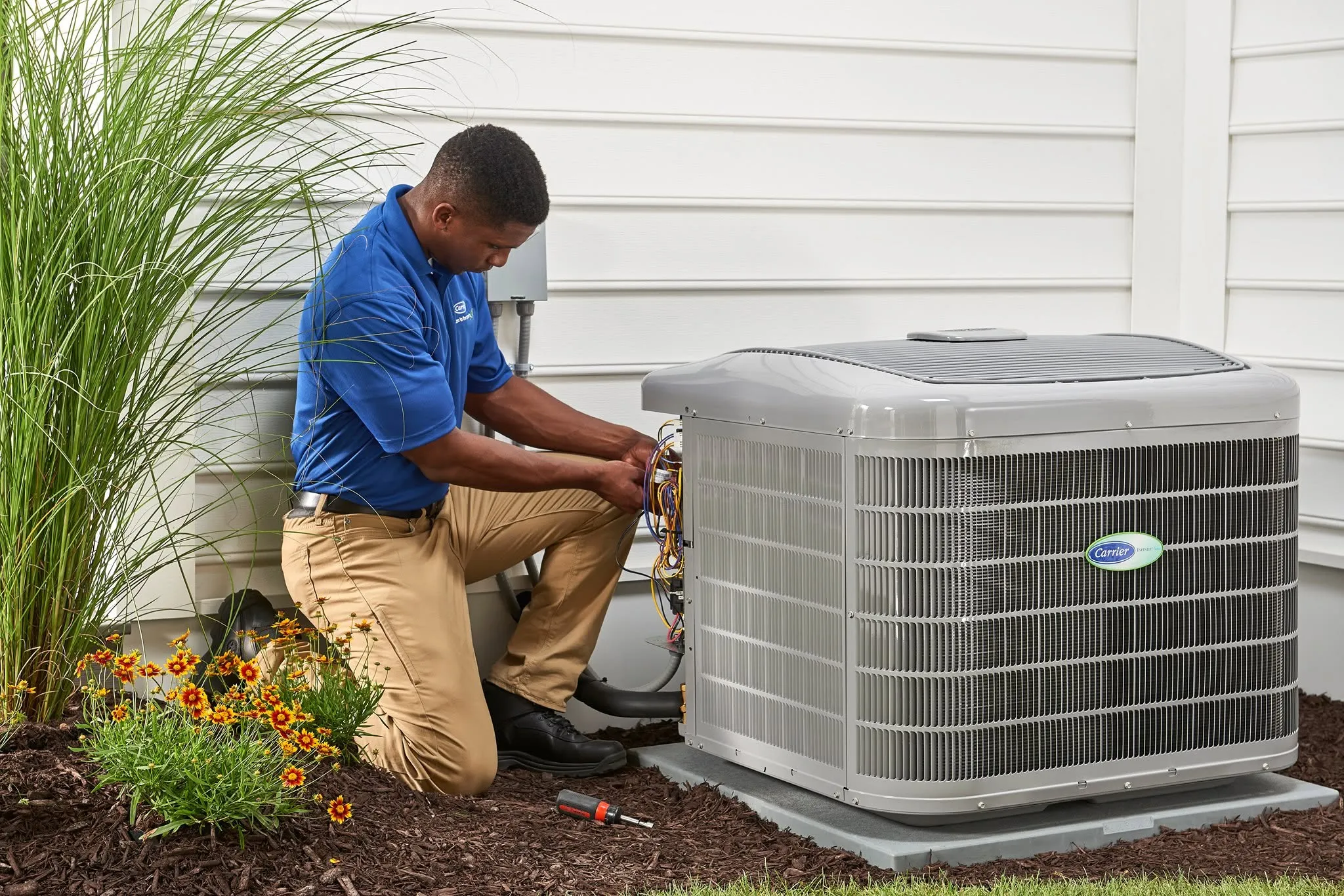
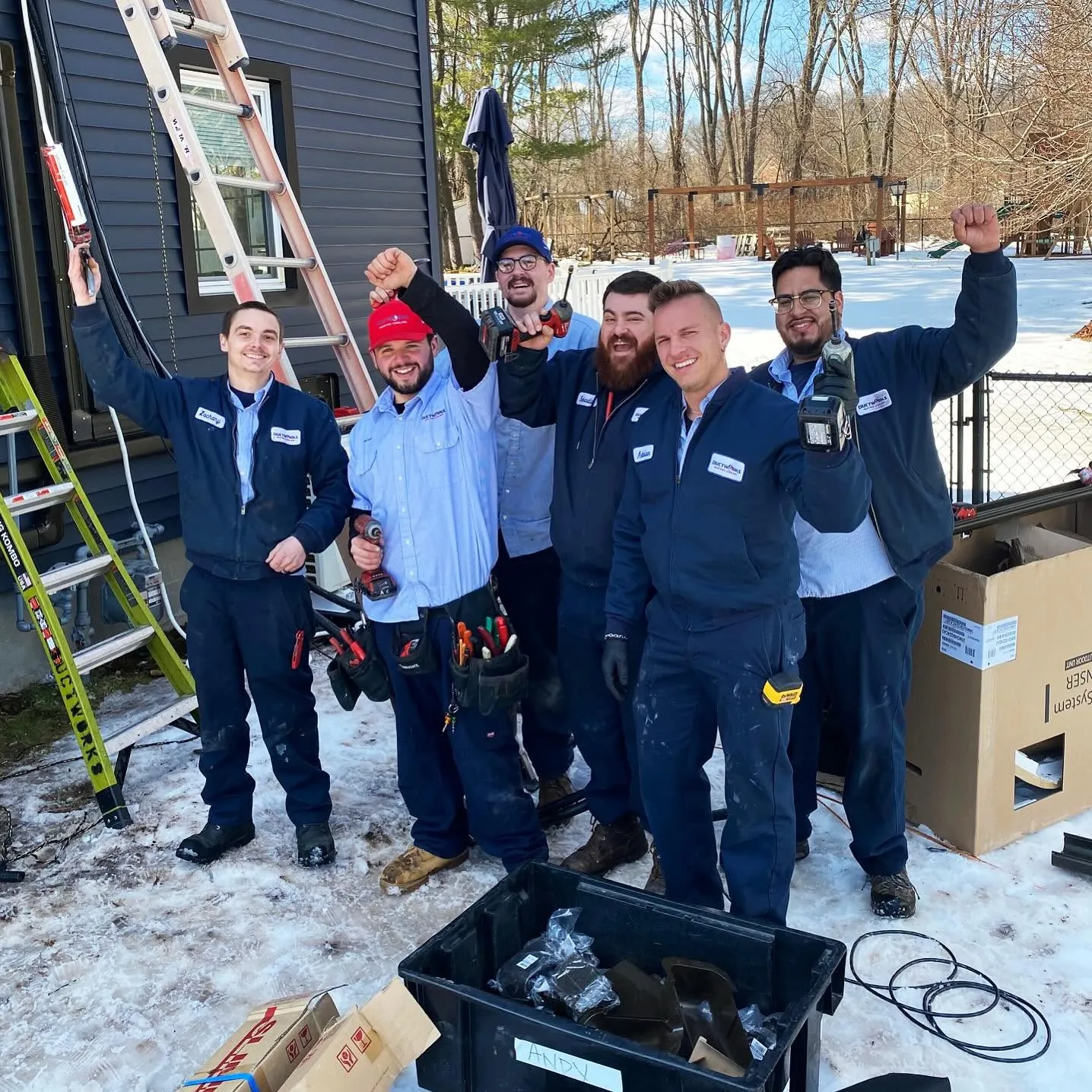
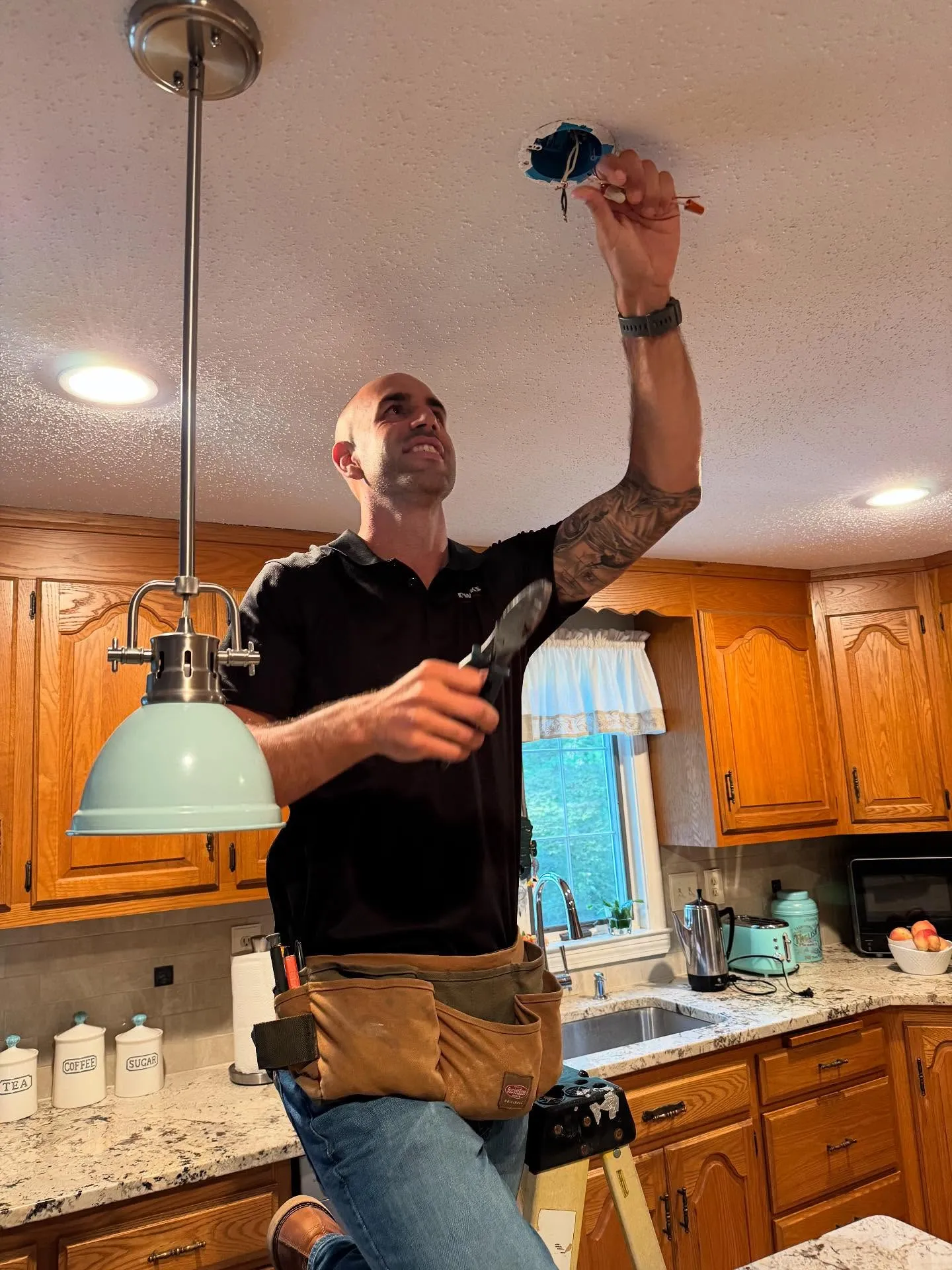
Real crews, real Connecticut houses, no stock photography.
Need help today?
Whether it's an emergency repair or you're planning your next home upgrade, our friendly team is ready to help.
Call 860-245-1986Book heating service online
Tell us what’s going on and we’ll call to confirm your appointment window.