

Excellent technology, with real prerequisites
A tankless unit heats water as it flows rather than keeping a tank hot all day. That means you do not run out, you are not paying to reheat stored water overnight, and you get a wall-mounted box the size of a small suitcase instead of a cylinder occupying a corner of the basement.
They also last much longer than tanks, commonly twenty years against eight to twelve, and they can be descaled and serviced rather than simply replaced.
The caveats are real and we would rather state them plainly. A gas tankless unit needs considerably more gas throughput than a tank, which frequently means a larger gas line. It needs new stainless or PVC venting, because you cannot use the old flue. And in Connecticut, incoming water in February is cold enough that flow rate at full temperature rise is lower than the headline number suggests.
None of that makes tankless a bad choice. It makes it a choice that needs assessing properly before anyone quotes it, which is exactly what we do on the first visit.
At a glance
- Never runs outContinuous hot water for as long as it is running.
- Wall-mountedReclaims the floor space a tank occupies, useful in small basements.
- Around twenty yearsRoughly double a typical tank, and serviceable rather than disposable.
- Prerequisites checked firstGas supply, venting and winter flow rate assessed before we quote.
Is your house a good candidate?
The five things we check before recommending a conversion.
Gas supply capacity
A tankless unit demands far more throughput than a tank. Many houses need a larger gas line, and that is part of the quote, not a surprise.
Venting route
New stainless or PVC venting to an exterior wall. The old flue cannot be reused, and the route affects the cost.
Winter water temperature
Connecticut groundwater in February is genuinely cold. Sizing must account for the temperature rise required, not the summer figure.
Water hardness
Hard water scales the heat exchanger. Annual descaling, or a softener, is part of owning one here.
Simultaneous demand
Two showers and a dishwasher at once needs a properly sized unit. Undersizing is the main cause of disappointment.
Space constraints
If the tank is in the way of something you want to do with the basement, that alone is sometimes the deciding factor.
Full assessment
Gas meter and line capacity, venting route options, electrical requirement, and the flow rate you actually need at winter temperatures.
Honest recommendation
If your house makes a conversion expensive or marginal, we say so and price a high-efficiency tank alongside for comparison.
Installation
Old tank removed, unit mounted, gas line upsized if needed, new venting run, water and condensate connections made, electrical supply provided.
Commission and explain
Flow and temperature tested, unit registered, and a walkthrough of descaling intervals and the filter you will need to rinse.
Tankless services
Installation, conversion and ongoing maintenance.
Installation
- Gas and propane tankless units
- Whole-house and point-of-use models
- Condensing high-efficiency units
- Gas line upsizing where required
- Stainless or PVC venting installation
- Condensate drainage and neutralisation
Conversion planning
- Gas meter and supply capacity assessment
- Flow rate sizing for winter temperature rise
- Venting route survey
- Electrical requirement review
- Comparison quote against a high-efficiency tank
- Rebate and incentive eligibility check
Service
- Annual descaling and flush
- Inlet filter cleaning
- Error code diagnosis and repair
- Heat exchanger inspection
- Venting and combustion checks
- Water softener recommendations for hard water
What tankless costs
A tankless conversion costs meaningfully more than replacing a tank with another tank. The unit itself is more expensive, and then there is the gas line, the venting and the electrical supply.
Where it pays back is over time: lower standby losses, no reheating a tank all night, and a service life around double that of a tank. In a household using a lot of hot water, that arithmetic is favourable. In a low-use household, a high-efficiency tank may genuinely be the better value, and we will say so.
Financing applies, and qualifying high-efficiency units may fall under Energize Connecticut incentives. We give you both quotes, tankless and tank, so the comparison is yours to make with real numbers.
What moves the price
- Gas line upsizingThe most common significant addition on a conversion.
- Venting routeA short run to an exterior wall is straightforward; a long or awkward route is not.
- Unit capacitySized for winter temperature rise and simultaneous demand, which drives model selection.
- Water treatmentA softener alongside is often worth it in hard-water areas and adds to the project.
Tankless water heater questions
Do tankless heaters really never run out of hot water?
They do not run out, but they are limited by flow rate. A correctly sized unit handles simultaneous showers comfortably; an undersized one will struggle, which is why the winter temperature rise calculation matters so much in Connecticut.
Why do I need a bigger gas line?
A tankless unit heats water instantly, which requires far more gas at once than a tank that heats slowly over time. Many existing gas lines cannot supply that, and upsizing is part of doing the conversion properly.
How long do they last?
Around twenty years with annual maintenance, roughly double a typical tank. They are also serviceable, heat exchangers can be descaled and components replaced rather than the whole unit being scrapped.
What maintenance do they need?
An annual descaling flush, and the inlet filter rinsed periodically. In hard Connecticut water this is not optional, scale in the heat exchanger is the main thing that shortens their life.
Is there a delay before the hot water arrives?
There is a short delay while the unit fires, and then whatever time the water takes to travel the pipe, the same as a tank. Recirculation options exist if instant hot water at a distant fixture matters to you.
Is tankless always the better choice?
No. For a low-use household, or where the gas and venting work is expensive, a high-efficiency tank can be the better value. We quote both and let you compare real numbers.
On the job
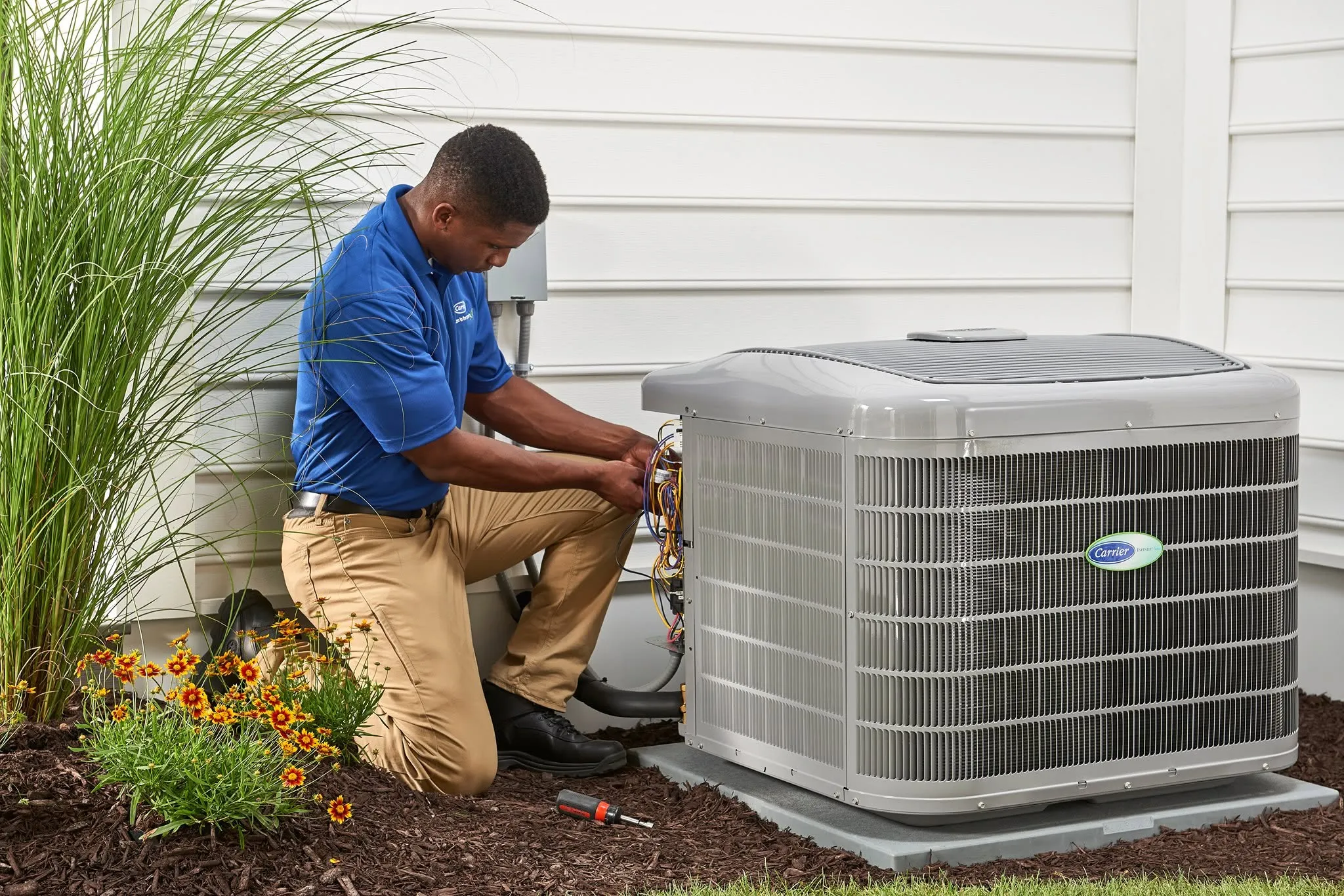
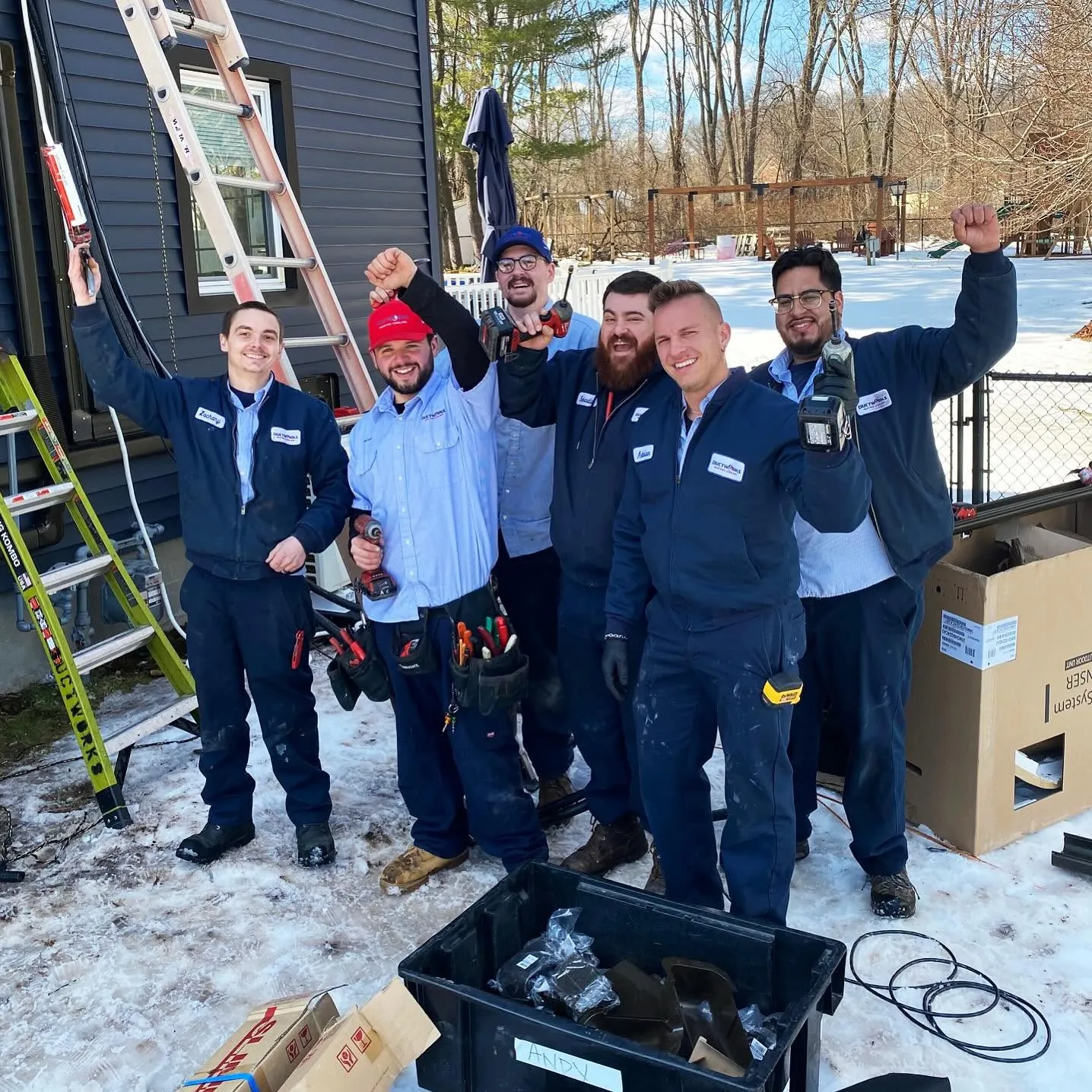
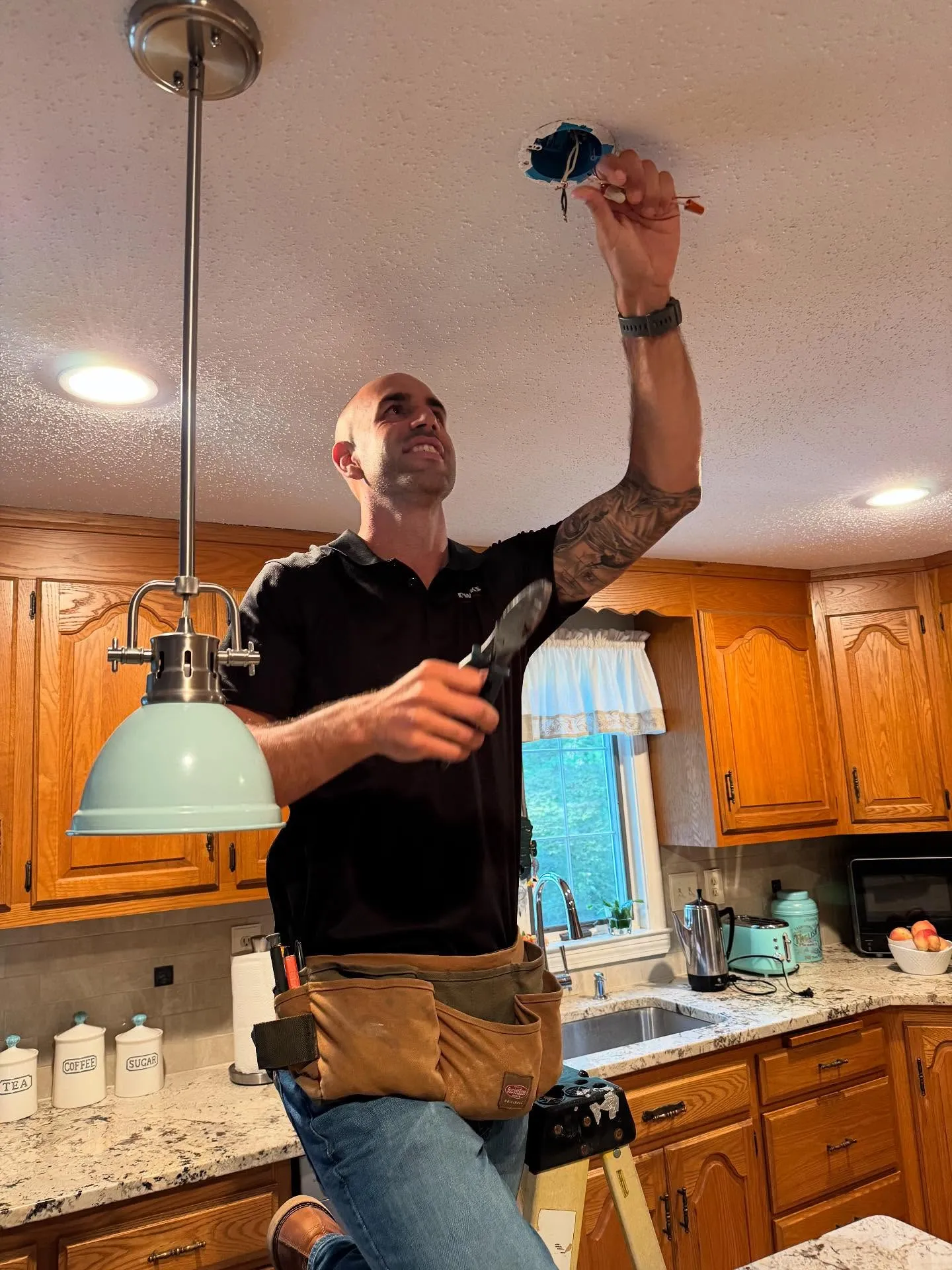
Real crews, real Connecticut houses, no stock photography.
Need help today?
Whether it's an emergency repair or you're planning your next home upgrade, our friendly team is ready to help.
Call 860-245-1986Book plumbing service online
Tell us what’s going on and we’ll call to confirm your appointment window.