

The water bill is usually the first honest witness
Most concealed leaks announce themselves indirectly. The water bill climbs for no obvious reason. There is a musty smell in one corner of the basement. A patch of drywall feels slightly soft. The boiler pressure keeps dropping and nobody knows where the water is going.
By the time a stain appears on a ceiling, the leak has usually been running for weeks. Drywall, insulation and framing all absorb a great deal before anything becomes visible from below, and the repair scope grows the entire time.
Finding it without demolition is the skill. Acoustic listening equipment, thermal imaging, pressure testing and isolating sections of the system let us narrow a leak to a specific location, so the opening we make is the size of a patch rather than a wall.
Older Connecticut houses add their own candidates: galvanised supply lines corroding from the inside, copper with pinholes from aggressive water chemistry, and hydronic heating loops weeping at a fitting behind finished ceilings.
At a glance
- Non-destructive firstAcoustic, thermal and pressure testing before anything gets opened.
- Located preciselyWe narrow it to a spot, so the repair is a patch and not a wall.
- Supply and hydronicDomestic water, heating loops and slab leaks all covered.
- Findings in writingPhotographs and documentation, useful if there is a claim.
Signs of a hidden leak
Any one of these is worth a call before it becomes visible damage.
Water bill climbing
The most reliable early indicator. A steady unexplained increase almost always means water going somewhere it should not.
Musty smell
Damp materials smell before they look wet. If one room or one corner smells different, something is holding moisture.
Meter moving with everything off
Shut every fixture and watch the meter. If it still creeps, you have a leak on the supply side.
Boiler pressure dropping
A hydronic system that needs regular topping up is losing water somewhere in the loop.
Staining or soft drywall
Late-stage evidence. Call before it spreads, because the affected area grows every day it runs.
Warm spot on a floor
Classic slab leak indicator on a hot water line. Thermal imaging confirms it quickly.
How we find a leak
Narrow it down with instruments, then open the smallest hole that works.
Book leak detectionIsolate and test
Shut off sections of the system and watch the meter or pressure to establish whether it is supply, drain or heating, and roughly where.
Instrument survey
Acoustic listening equipment on pressurised lines, thermal imaging on floors and walls, and moisture meters to map the wet area.
Pinpoint and confirm
Narrow the location to a specific spot and confirm it before opening anything. You see the evidence we based it on.
Repair and document
A written price for the repair, the fix made through the smallest reasonable access, and photographs for your records or an insurance claim.
Leak services
Detection and repair across supply, drain and heating systems.
Detection
- Acoustic leak detection on pressurised lines
- Thermal imaging for slab and wall leaks
- Moisture mapping and meter testing
- Pressure testing by isolated section
- Camera inspection on drain lines
- Hydronic loop leak location
Common leak sources
- Pinhole leaks in copper supply lines
- Corroded galvanised piping
- Failed shutoff and angle stop valves
- Toilet flapper and fill valve leaks
- Water heater fittings and relief valves
- Boiler fittings and expansion tanks
Repair
- Spot repair through minimal access
- Section repiping where corrosion is widespread
- Valve and fixture replacement
- Slab leak repair or reroute
- Hydronic fitting and pipe repair
- Documentation for insurance claims
What leak detection costs
Detection is priced as its own service, because it is genuinely a separate piece of work from the repair. What you are paying for is not opening four walls to find one pipe.
A visible, accessible leak does not need any of it, we simply repair it. Detection earns its cost when the leak is concealed, when the water bill has climbed without explanation, or when a hydronic system is losing pressure with no visible source.
The repair is quoted separately once we know what and where it is. If the finding is widespread corrosion rather than a single failure, we will tell you plainly and price the section repipe rather than patching something that will fail again next year.
What moves the price
- Concealed or accessibleA visible leak needs no detection work at all.
- System typeSupply, drain and hydronic each need different testing approaches.
- Slab and undergroundLeaks under concrete take longer to pinpoint and more work to reach.
- Repair scopeA single fitting versus a corroded section is a very different repair quote.
Leak detection questions
How do I know if I have a hidden leak?
Turn off every fixture and appliance in the house and watch the water meter for fifteen minutes. If it moves at all, water is going somewhere. A steadily climbing bill and a musty smell are the other two reliable indicators.
Can you find a leak without cutting into walls?
That is the whole point of the equipment. Acoustic detection, thermal imaging and pressure testing narrow it to a specific location, so the access we open is small and deliberate rather than exploratory.
What is a slab leak?
A leak in a supply line running beneath a concrete slab. Warm spots on the floor, unexplained water use and the sound of running water with everything off are the classic signs. They need locating precisely before anyone touches the concrete.
My boiler keeps losing pressure. Is that a leak?
Usually. A hydronic system is a closed loop and should not need topping up regularly. It could be a fitting, a radiator valve, or a failed expansion tank, all findable, and worth finding before it damages something.
Will insurance cover leak damage?
Sudden and accidental damage is commonly covered; slow, long-term seepage often is not, which is another reason to act on early signs. We document everything with photographs and written findings for your claim.
Should I repipe or keep repairing?
If we are finding repeated pinholes in the same runs, the pipe itself is failing and patching becomes a treadmill. We will show you what we are seeing and price both options honestly.
On the job
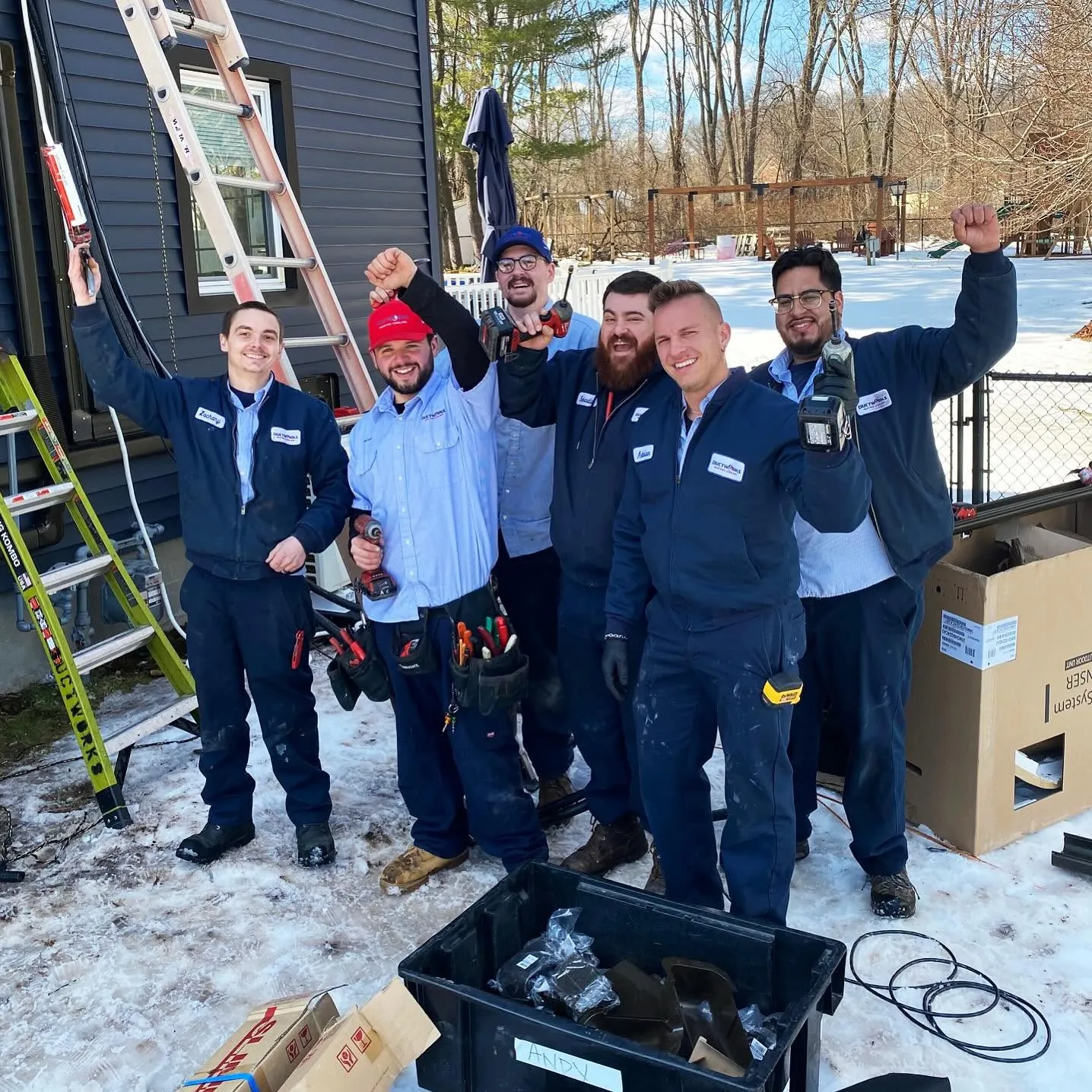
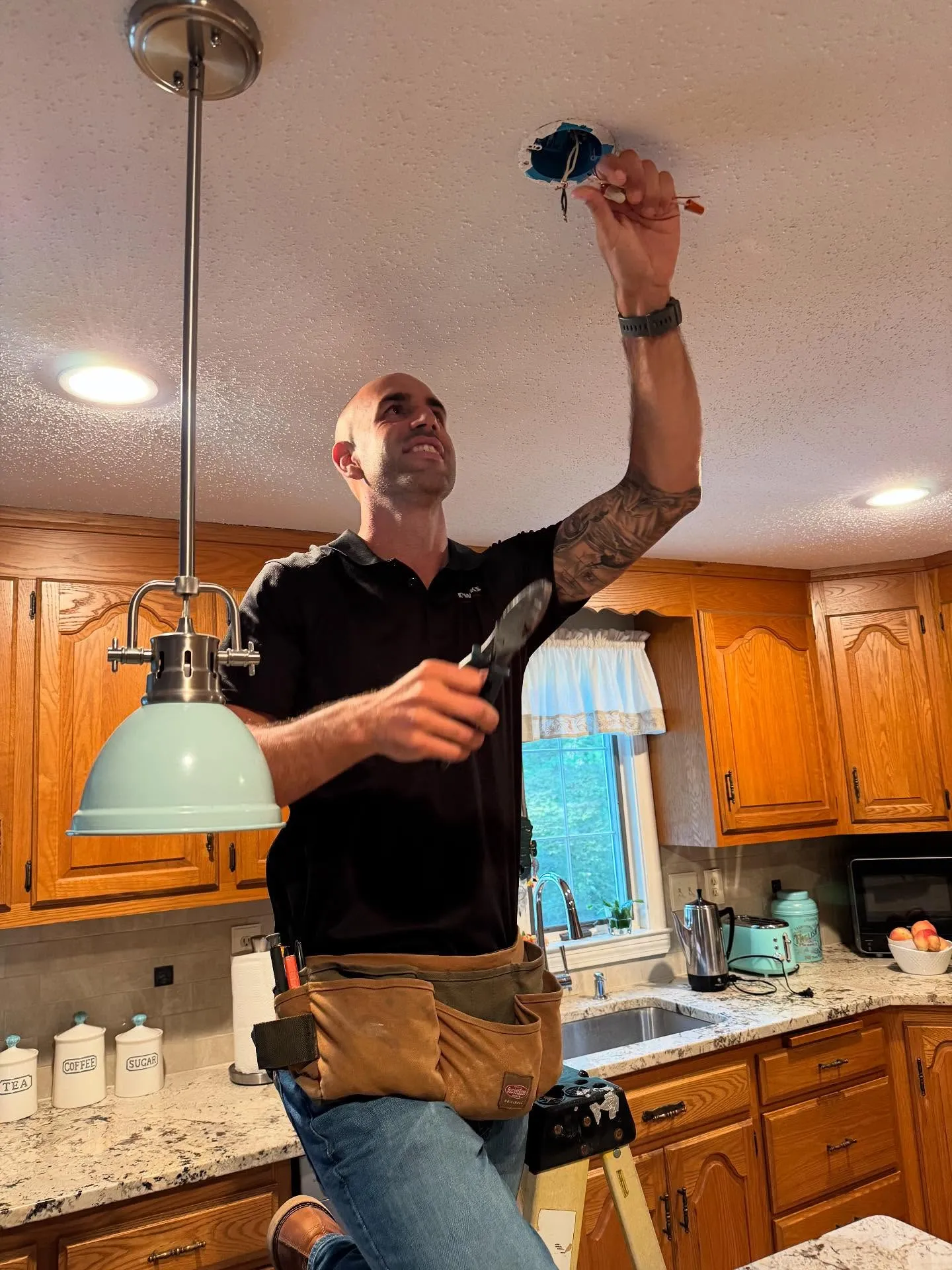
Real crews, real Connecticut houses, no stock photography.
Need help today?
Whether it's an emergency repair or you're planning your next home upgrade, our friendly team is ready to help.
Call 860-245-1986Book plumbing service online
Tell us what’s going on and we’ll call to confirm your appointment window.