

Test first. Connecticut water varies enormously
Water quality here depends almost entirely on where you are and what you are connected to. Municipal supply in Southington is a different proposition from a private well in Killingworth, and two wells a mile apart can have very different chemistry.
Which is why the honest first step is a test rather than a recommendation. Hardness, iron, manganese, pH, sulphur and, on wells, bacteria all point at different equipment, and fitting a softener to a house whose actual problem is iron will disappoint everybody.
Hard water is the most common finding on both wells and municipal supply in this area. It scales water heaters and shortens their life, leaves deposits on fixtures and glassware, makes soap and detergent less effective, and is quietly responsible for a lot of appliance failures people attribute to bad luck.
Iron and manganese cause the orange and black staining in sinks and laundry. Sulphur is the rotten-egg smell. Each has its own treatment, and a properly specified system usually combines two or three stages rather than relying on one box.
At a glance
- Test before recommendingHardness, iron, pH and more, so the system matches the actual water.
- Protects the water heaterScale is one of the main reasons tanks fail early in this area.
- Staged systemsSediment, softening and filtration each doing their own job.
- Serviced and maintainedSalt, media and filter changes on a schedule you can forget about.
What your water is telling you
Each of these points at a different treatment.
White scale on fixtures
Classic hard water. Calcium and magnesium depositing on everything, including the inside of your water heater.
Orange or brown staining
Iron. Stains sinks, tubs and laundry, and needs oxidation and filtration rather than softening alone.
Rotten egg smell
Hydrogen sulphide, most common on private wells. Unpleasant rather than harmful, and treatable.
Soap will not lather
Hard water binding with soap. It also means detergent works less well and you use more of it.
Dry skin and dull laundry
A common consequence of hard water, and one of the differences people notice most after softening.
Chlorine taste or smell
Municipal supply. A carbon filtration stage removes it without affecting anything else.
Test your water
On-site testing for hardness, iron, pH and more, with lab testing where a well needs a fuller picture including bacteria.
Specify to the results
The treatment stages your water actually needs, sized to your household flow rate, with the reasoning explained.
Install
Fitted into the main supply with bypass valves, correct drain connection, and a layout that makes servicing straightforward.
Maintain
Salt, media and filter cartridges on a schedule, plus periodic retesting on wells where chemistry can shift over time.
Water treatment services
Well and municipal supply, whole-house and point-of-use.
Softening
- Whole-house water softeners
- Sized to household flow and hardness
- Salt-based and alternative systems
- Bypass valves for outdoor spigots
- Brine tank setup and salt guidance
- Scale protection for water heaters
Filtration
- Sediment pre-filtration
- Carbon filtration for chlorine and taste
- Iron and manganese removal systems
- Hydrogen sulphide treatment
- Neutralisers for low-pH well water
- UV disinfection for private wells
Testing & service
- On-site hardness, iron and pH testing
- Lab testing for wells including bacteria
- Annual system service and media replacement
- Filter cartridge changes
- Retesting after treatment to confirm results
- Point-of-use drinking water systems
What water treatment costs
A straightforward whole-house softener on municipal supply is a moderate, predictable installation. Well water systems cost more because they usually need several stages, sediment, oxidation, filtration and sometimes UV, each addressing a different finding.
Testing comes first and is inexpensive relative to the equipment. It is also what stops you buying treatment you do not need, which is a real risk in a category with a lot of door-to-door selling.
Ongoing costs are modest: salt for a softener, filter cartridges, and periodic media replacement. We set out the running cost alongside the installation price so there are no surprises in year two.
What moves the price
- Well or municipalWell water typically needs more stages than treated municipal supply.
- What the test findsIron, sulphur and low pH each add their own treatment stage.
- Household flow rateLarger households need higher-capacity equipment.
- Plumbing configurationWhere the main enters and how accessible it is affects installation time.
Water filtration questions
Is Connecticut water hard?
In much of Central Connecticut, yes, on both private wells and municipal supply, though the degree varies considerably. Testing is the only way to know your specific numbers rather than the area average.
Do I need a softener or a filter?
They do different jobs. A softener removes the calcium and magnesium that cause scale. A filter removes iron, sulphur, chlorine, sediment or contaminants. Many houses here need both, staged in the right order.
Will a softener protect my water heater?
Meaningfully, yes. Scale build-up is one of the main reasons tanks fail early in hard-water areas, and it also insulates the burner from the water, which costs efficiency the whole time.
Does softened water taste salty?
No. A softener exchanges hardness minerals for a very small amount of sodium, far less than most people expect, and not detectable in taste. A reverse osmosis tap is an easy addition if you want the drinking water untouched.
How often does it need servicing?
Salt topped up every few weeks to months depending on usage, filter cartridges a few times a year, and media replacement every several years. We can put it on a schedule so you do not have to track it.
Should I test my well water?
Yes, and periodically rather than once. Well chemistry shifts over time, and bacteria testing in particular is worth doing on a regular basis rather than only when something tastes wrong.
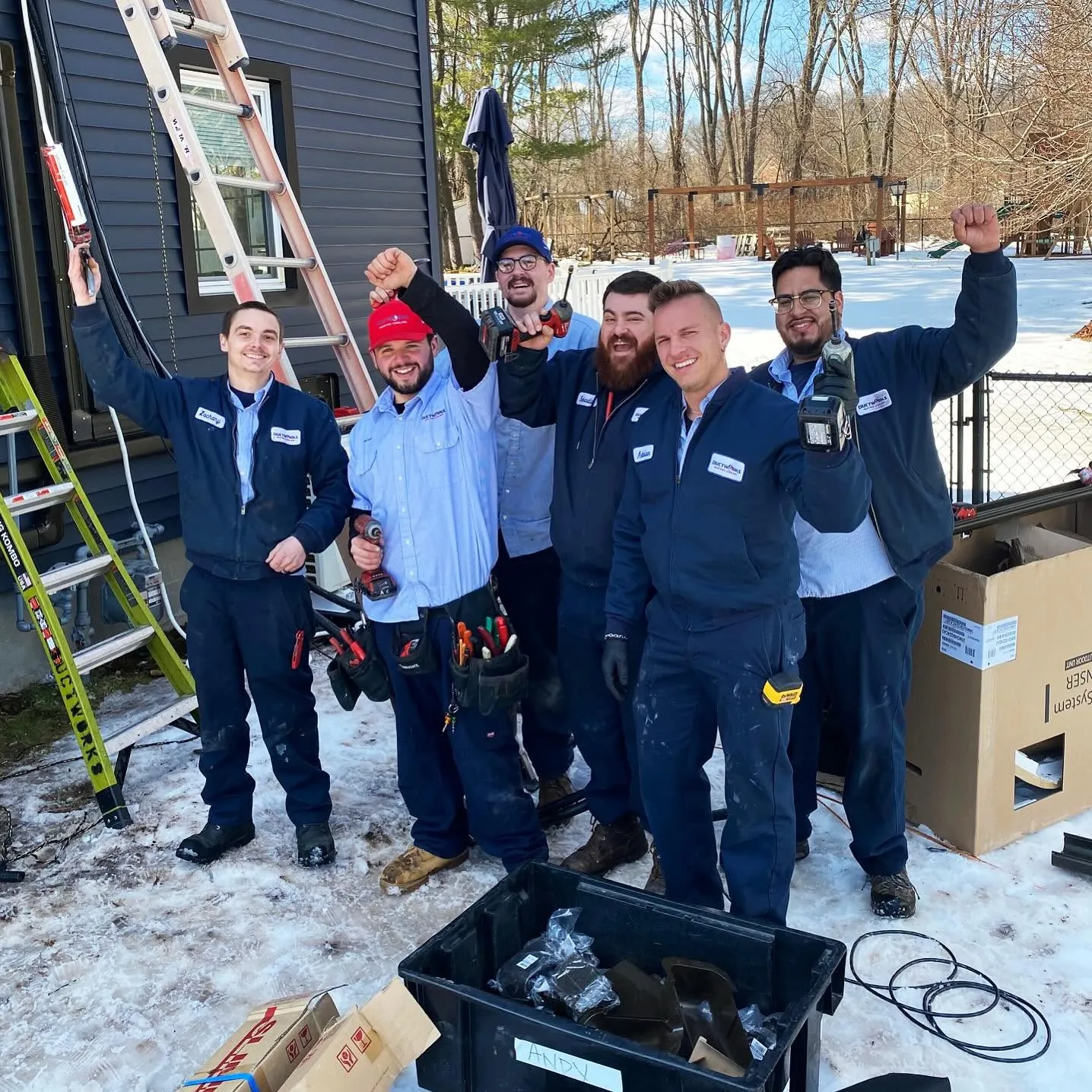
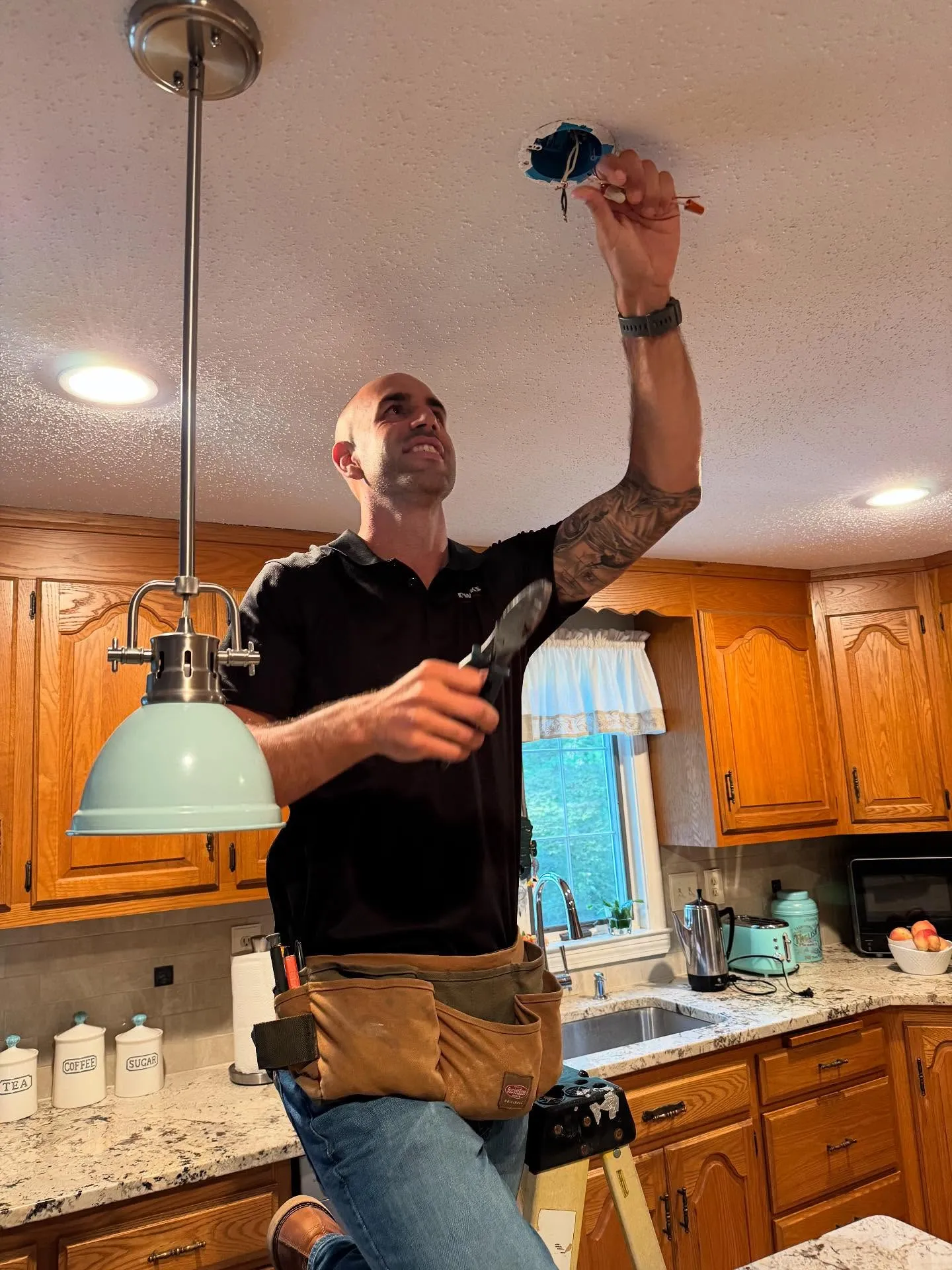
On the job
Real crews, real Connecticut houses, no stock photography.

Need help today?
Whether it's an emergency repair or you're planning your next home upgrade, our friendly team is ready to help.
Call 860-245-1986Book plumbing service online
Tell us what’s going on and we’ll call to confirm your appointment window.