

Yes, they work in Connecticut winters, with caveats
Heat pumps have a reputation problem in New England, earned in the 1990s by equipment that genuinely could not cope below freezing. That equipment is two generations gone. Modern cold-climate models with variable-speed inverter compressors hold useful capacity well below zero Fahrenheit and deliver two to three units of heat for every unit of electricity they draw.
What has not changed is that a heat pump is unforgiving of a badly insulated, leaky house. It delivers heat at a lower temperature than a furnace does, over longer cycles, which feels excellent in a tight house and disappointing in a draughty one. That is why the honest conversation starts with your house rather than the equipment catalogue.
For a lot of Central Connecticut homes the best answer is a dual-fuel setup: heat pump doing the heating for most of the season at a lower running cost, with the existing furnace picking up automatically on the handful of genuinely brutal nights. You keep the backup you already own and cut the fuel bill for eight months of the year.
And because a heat pump cools as well as heats, replacing an ageing furnace and an ageing air conditioner with a single system is often better value than replacing both separately.
At a glance
- Heating and cooling in oneReplaces both the furnace and the air conditioner with a single system.
- Cold-climate ratedModern inverter models hold useful capacity well below freezing.
- Rebates availableEnergize Connecticut incentives apply to qualifying equipment.
- Dual-fuel optionKeeps your existing furnace as automatic backup on the coldest nights.
Is your house a good candidate?
We would rather tell you no than sell you a system that disappoints for fifteen years.
Both systems are ageing
If the furnace and the AC are both near the end, one heat pump replacing both is usually the strongest value in the whole catalogue.
You heat with oil or propane
These are the houses where the running-cost difference is largest and the payback is fastest.
The envelope is decent
Reasonable insulation and windows matter more than the brand of equipment. We will assess this before quoting.
Electrical capacity
A heat pump needs the panel to support it. If yours is at capacity, we handle the upgrade in-house.
Existing ductwork
Ducted heat pumps need airflow that many older duct systems cannot supply. We measure rather than assume.
No ductwork at all
Not a barrier, ductless mini splits are heat pumps too, and often the right answer in a boiler-heated house.
How we scope a heat pump
More assessment than a furnace swap, because more things have to be right.
Get a heat pump quoteWhole-house assessment
Heat loss calculation, insulation and window review, ductwork static pressure, and a look at the electrical panel.
Honest recommendation
Full heat pump, dual-fuel, ductless, or simply not a good fit, with the running-cost numbers behind whichever we suggest.
Rebates and financing worked out
We identify which Energize Connecticut incentives the equipment qualifies for and prepare the documentation before you commit.
Install and commission
Set, connected, charged by weight, controls configured for the changeover point, and every mode tested before we leave.
Heat pump services
Installation, service and repair for ducted and ductless systems.
Installation
- Cold-climate ducted and ductless systems
- Dual-fuel integration with an existing furnace
- Load calculation and correct sizing
- Line set routing and refrigerant charging by weight
- Electrical and panel capacity work in-house
- Permits, inspection and rebate documentation
Service & maintenance
- Twice-yearly tune-ups, heating and cooling
- Refrigerant charge verification
- Defrost cycle testing and adjustment
- Coil cleaning, indoor and outdoor
- Filter and drain maintenance
- Performance readings tracked year over year
Repair
- Refrigerant leak detection and repair
- Reversing valve and defrost board faults
- Inverter and compressor diagnostics
- Outdoor fan motors and control boards
- Low-ambient performance troubleshooting
- Thermostat and changeover control issues
Cost, rebates and running savings
A heat pump costs more up front than a like-for-like furnace replacement, and less than replacing a furnace and an air conditioner separately. That comparison is the one that matters, and it is the one we put in the quote.
Energize Connecticut incentives on qualifying cold-climate equipment can be substantial, and they stack with our current installation special and with financing. We work out what your specific equipment qualifies for before you sign anything.
On running costs, the biggest wins are in houses currently heating with oil, propane or electric resistance. Against natural gas the annual saving is narrower and depends on rates, we will show you honest figures rather than a marketing number.
What moves the price
- Ducted or ductlessWhether we can use existing ductwork, and whether it can carry the airflow required.
- Dual-fuel controlsIntegrating an existing furnace as backup adds controls work but preserves your redundancy.
- Electrical capacitySome houses need a panel upgrade to support the new load. We price it in rather than discovering it later.
- Rebate eligibilityWhich incentives your chosen equipment qualifies for materially changes the net cost.
Heat pump questions
Do heat pumps actually work in Connecticut winters?
Modern cold-climate models do. They maintain useful heating capacity well below freezing and keep running efficiently at temperatures that defeated older equipment. What matters as much as the model is that the house is reasonably insulated and the system is sized correctly.
Will I still need my furnace?
Not necessarily, but many Central Connecticut homeowners keep it as dual-fuel backup. The heat pump handles most of the season at a lower running cost, and the furnace takes over automatically on the coldest nights. It is a low-risk way to make the switch.
Why does the air feel cooler than my furnace?
It is cooler. A heat pump delivers heat at a lower temperature over longer cycles rather than short blasts of very hot air. Rooms hold steadier temperatures, but the air from the register feels less hot. Most people adjust within a week.
What rebates are available in Connecticut?
Energize Connecticut runs incentives on qualifying cold-climate heat pumps, and the Smart-E Loan can finance the balance. Programs change, so we confirm what your specific equipment qualifies for at quote time.
How long do heat pumps last?
Fifteen to twenty years with regular service. They run year-round rather than seasonally, so twice-yearly maintenance matters more than it does for a furnace.
My house has no ductwork, can I still get one?
Yes. Ductless mini splits are heat pumps, and they are frequently the right answer in boiler-heated Connecticut houses that want cooling as well.
On the job
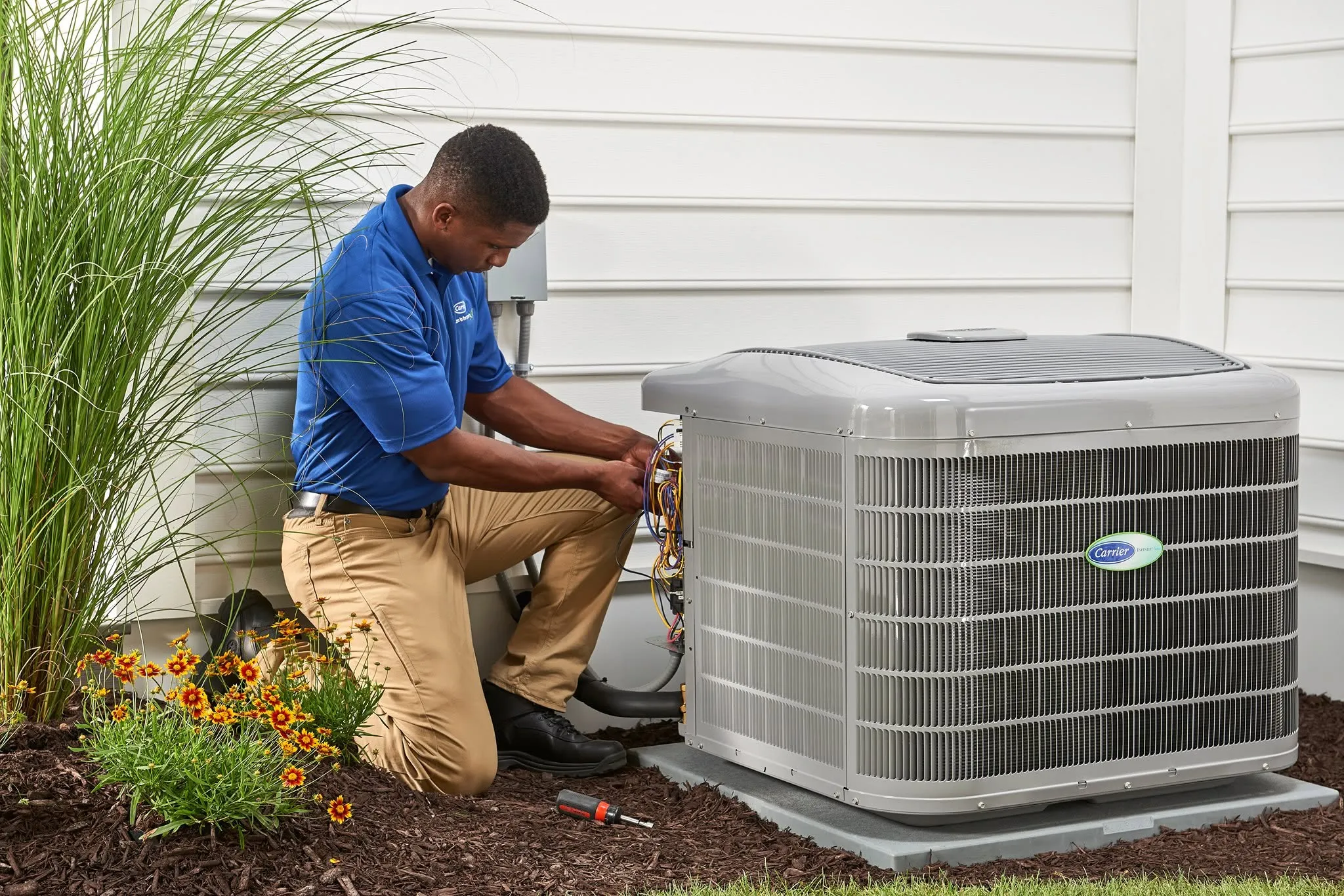
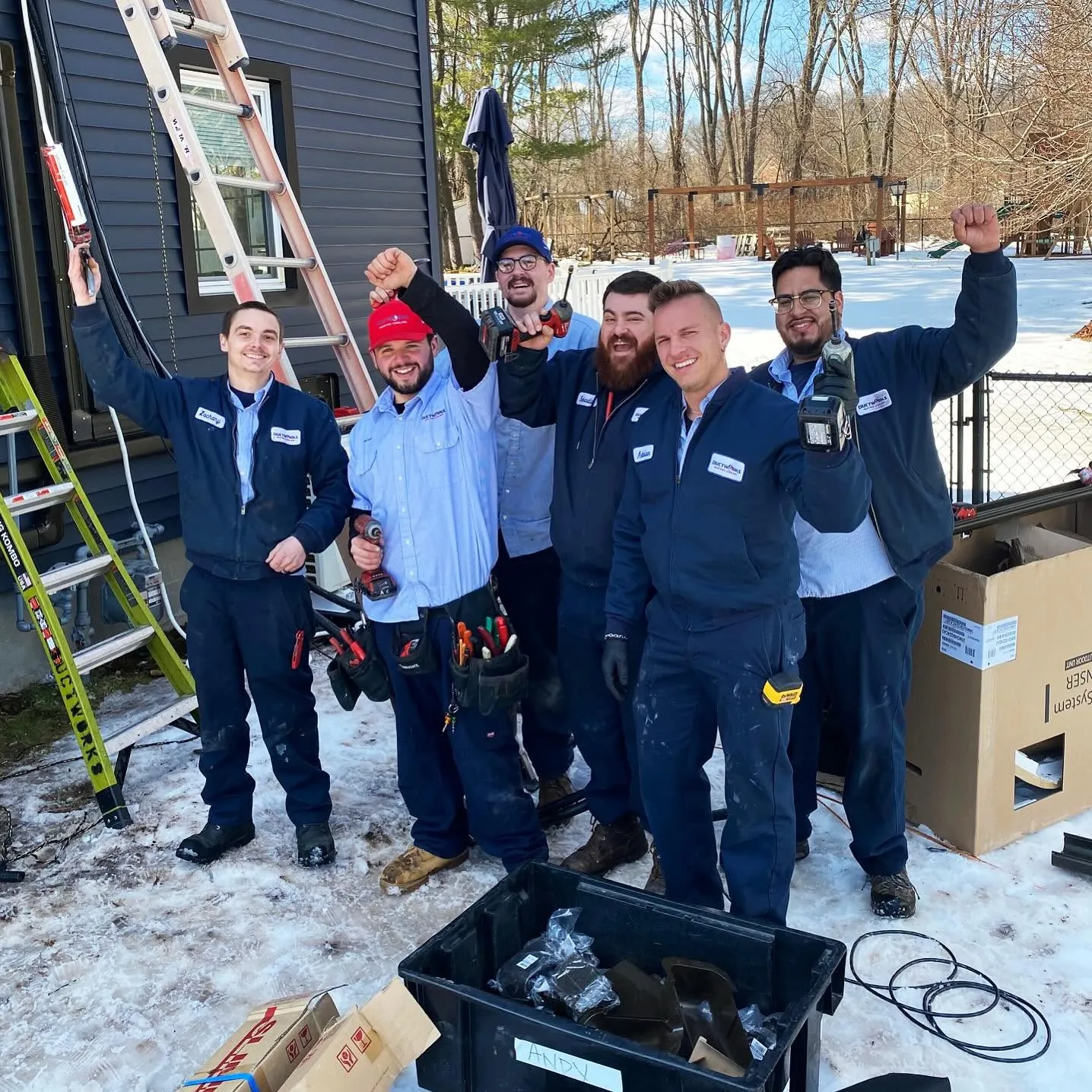
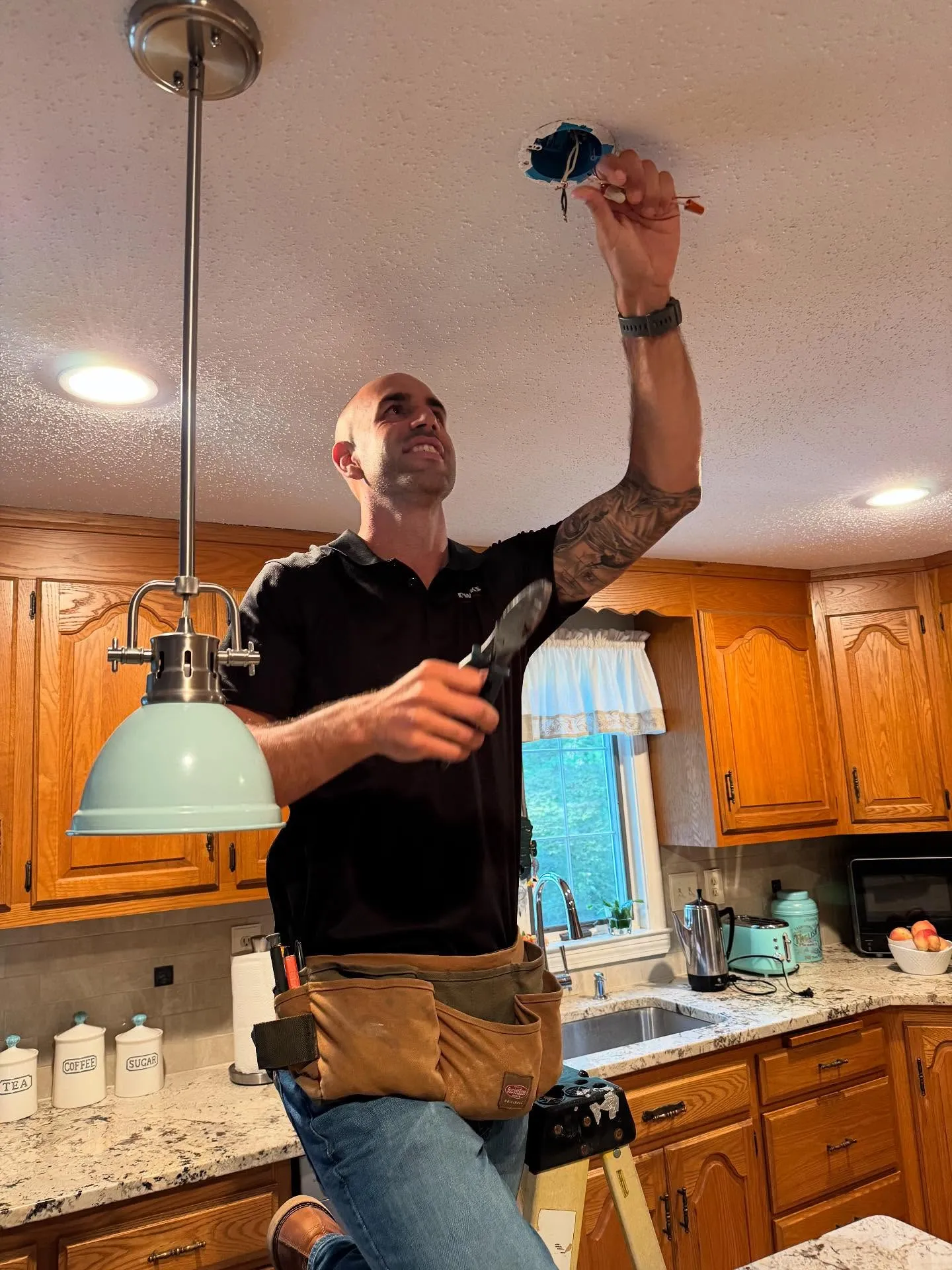
Real crews, real Connecticut houses, no stock photography.
Need help today?
Whether it's an emergency repair or you're planning your next home upgrade, our friendly team is ready to help.
Call 860-245-1986Book heating service online
Tell us what’s going on and we’ll call to confirm your appointment window.