

The install is simple. The capacity question is the real one
Mounting a Level 2 charger is straightforward work for a licensed electrician. What determines whether your installation is simple or complicated is what your electrical panel can support, and that is worth answering before the car is in the driveway.
A Level 2 charger is a substantial continuous load, typically a 40 or 50 amp dedicated circuit. In a house with a 200 amp service and space in the panel, that is easy. In a house with a full 100 amp panel already running a heat pump, it needs planning, and sometimes a service upgrade or a load management device.
We run the load calculation, tell you which category you are in, and price the whole thing together rather than discovering the problem halfway through the install.
The other half of a good installation is placement. Where you park, which side the charge port is on, cable length, and whether the unit is exposed to Connecticut weather. Getting that wrong is a daily annoyance for years.
At a glance
- Load calculation firstWe confirm your panel can carry it before quoting the work.
- All major brandsHardwired or plug-in, indoor or outdoor rated.
- Permit and inspectionRequired for a new circuit, handled entirely by us.
- Incentives availableSmart-E Loan covers EV charging among 40-plus project types.
What we work out before installing
Five questions that decide how straightforward your installation is.
Available panel capacity
The deciding factor. A load calculation tells us whether you need a service upgrade, a load manager, or nothing at all.
Distance from the panel
A charger in a detached garage means a longer, heavier run than one on the other side of the basement wall.
Where you actually park
Charge port side, cable reach and whether you back in. Small details that matter every single day.
Indoor or outdoor
Outdoor installations need weather-rated equipment and enclosures. Connecticut winters are not gentle on hardware.
Hardwired or plug-in
Hardwired is cleaner and often required at higher amperages; a NEMA 14-50 receptacle offers flexibility if you may move.
Charging speed you need
Most households do not need the maximum. Matching the circuit to your real daily mileage can avoid a panel upgrade entirely.
How the installation works
Usually a half-day once the capacity question is settled.
Get an EV charger quoteLoad calculation and site visit
We look at the panel, the parking, and the route. You get a definitive answer on capacity before anything is ordered.
Written quote
Circuit, run, mounting, any panel work and the permit, all itemised. Options if a load management device would avoid a bigger job.
Installation
Dedicated circuit run and terminated, charger mounted at the right height and position, breaker installed and labelled.
Test, commission, inspect
Charge tested with your vehicle, app or network setup completed if the unit supports it, and the permit closed with the inspector.
EV charging services
Single chargers, dual-vehicle households, and the panel work that sometimes comes with them.
Installation
- Level 2 hardwired charger installation
- NEMA 14-50 receptacle installation
- Detached garage and outdoor runs
- Weather-rated exterior mounting
- Dual-charger and load-shared setups
- Conduit routed neatly, not stapled across walls
Electrical work
- Load calculation on existing service
- Dedicated 40A or 50A circuits
- Panel space and breaker installation
- Sub-panels for garages and outbuildings
- Service upgrades where genuinely required
- Load management devices as an alternative to upgrading
Compliance & setup
- Permit pulled and inspection scheduled
- Correct wire sizing for the run length
- GFCI protection as required by code
- Charger app and network configuration
- Charging session tested with your vehicle
- Documentation for rebate or incentive claims
What EV charger installation costs
A straightforward Level 2 installation, panel with capacity, charger near the panel, indoor garage, is one of the more affordable electrical projects we do.
Cost rises with distance from the panel, outdoor or detached garage runs, and any panel work required. The load calculation at the start is what makes the quote reliable rather than optimistic.
Energize Connecticut’s Smart-E Loan covers EV charging stations among its qualifying project types, and utility incentives for home charging are periodically available. We prepare the documentation and tell you what currently applies.
What moves the price
- Distance from the panelLonger runs need heavier wire and more labour, particularly to detached structures.
- Panel capacityIf a service upgrade is genuinely required, that is the largest single variable.
- Indoor or outdoorWeather-rated equipment and enclosures cost more than a simple garage install.
- Charger hardwareSupplied by you or by us; models vary widely in price and features.
EV charger questions
Do I need a panel upgrade to install a charger?
Not always. It depends on your service size, existing load and available breaker space. A load calculation answers it definitively, and asking before you buy the car is much cheaper than asking after.
How long does installation take?
A typical garage installation with adequate panel capacity is a half-day. Longer runs, outdoor mounting or panel work extend that, and we tell you which applies before booking.
Hardwired or plug-in?
Hardwired is tidier, allows higher amperage and is required for some units. A NEMA 14-50 receptacle is more flexible if you might take the charger with you. Both are code-compliant when installed correctly.
Can you install a charger in a detached garage?
Yes. It needs a properly sized underground or overhead feed and often a small sub-panel, which we price into the quote after seeing the site.
Are there rebates for home EV charging?
Connecticut’s Smart-E Loan covers EV charging stations, and utility programs periodically offer incentives. We confirm what is live when we quote.
Do I need a permit?
Yes, a new dedicated circuit requires one. We pull it, and we meet the inspector when the work is done.
On the job
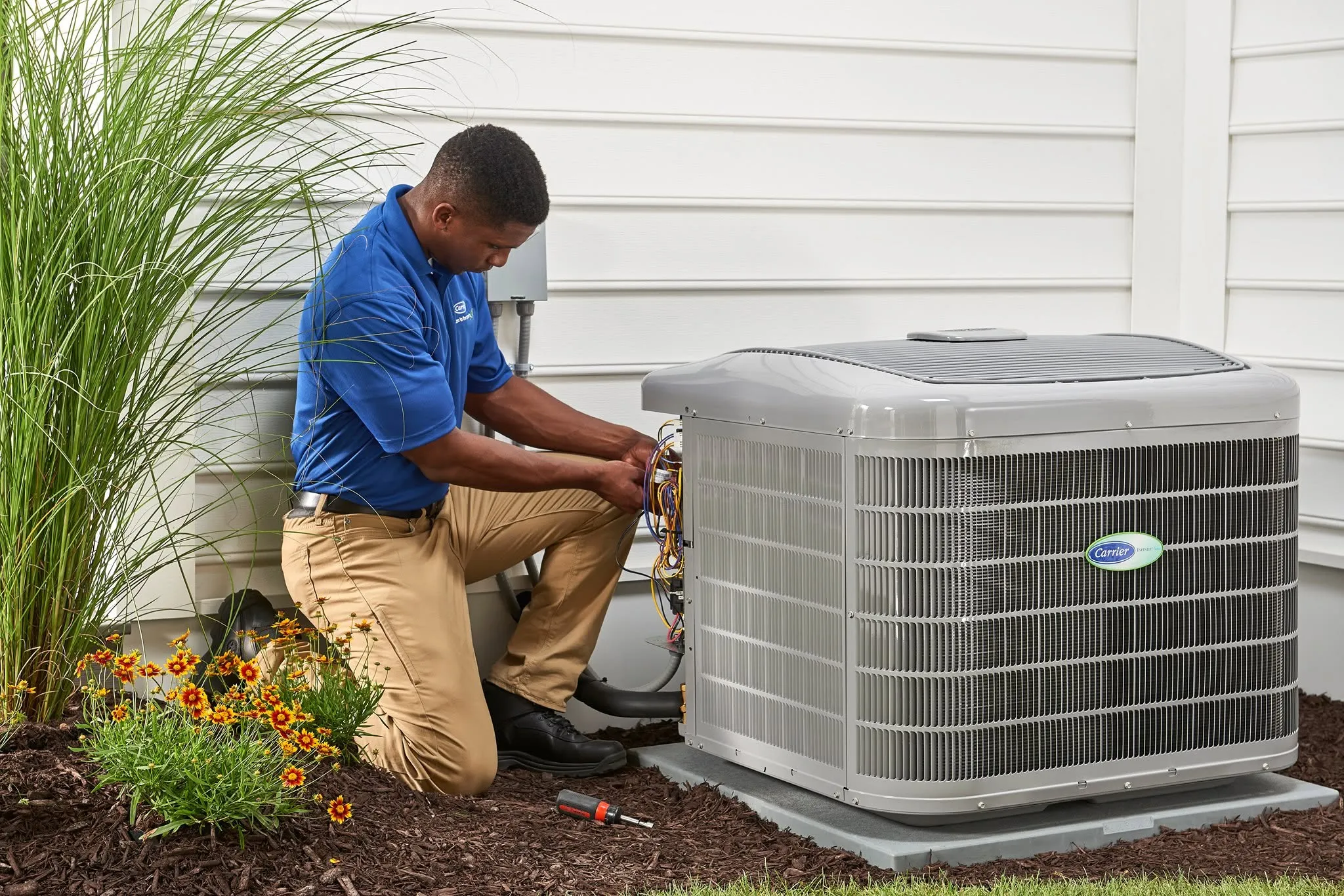
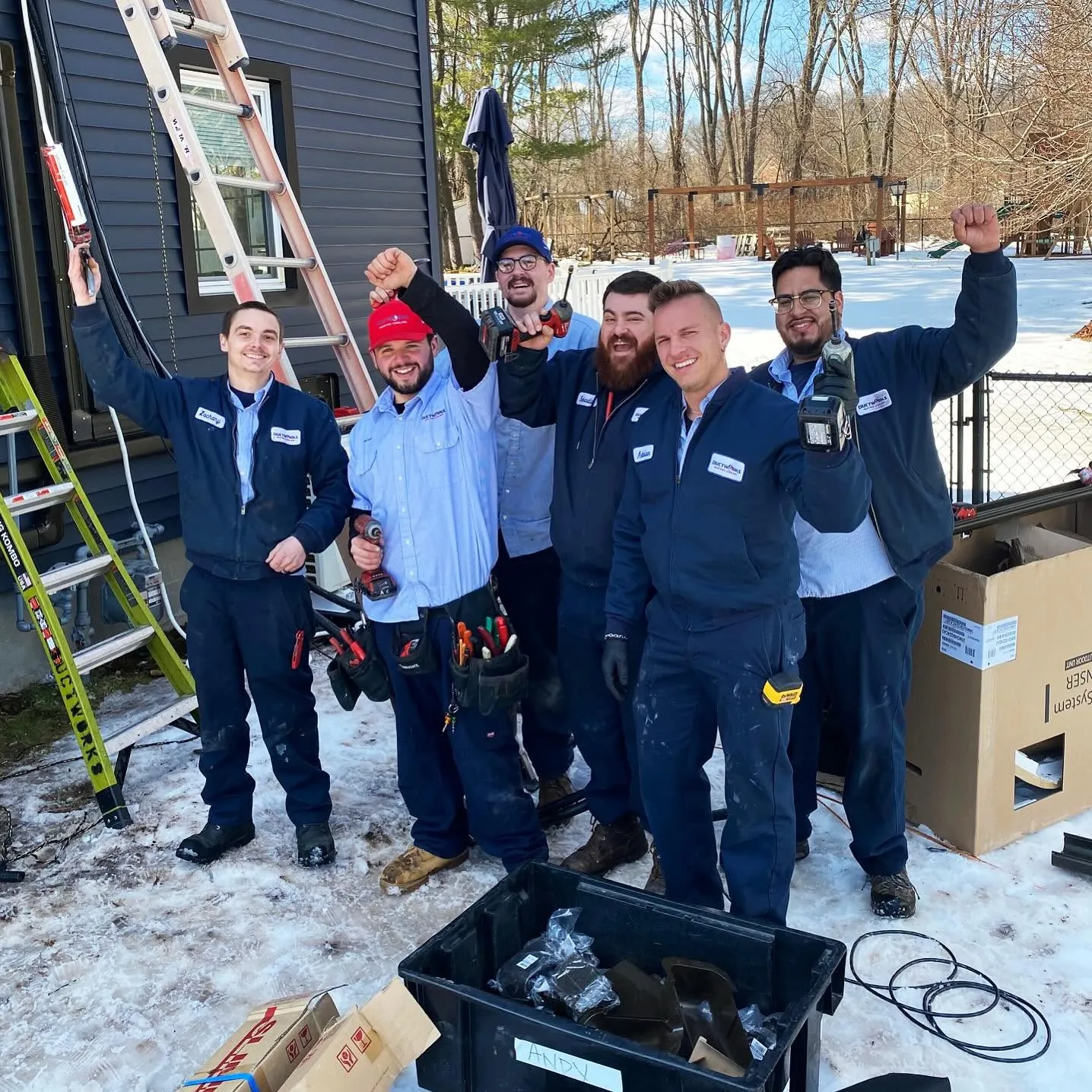
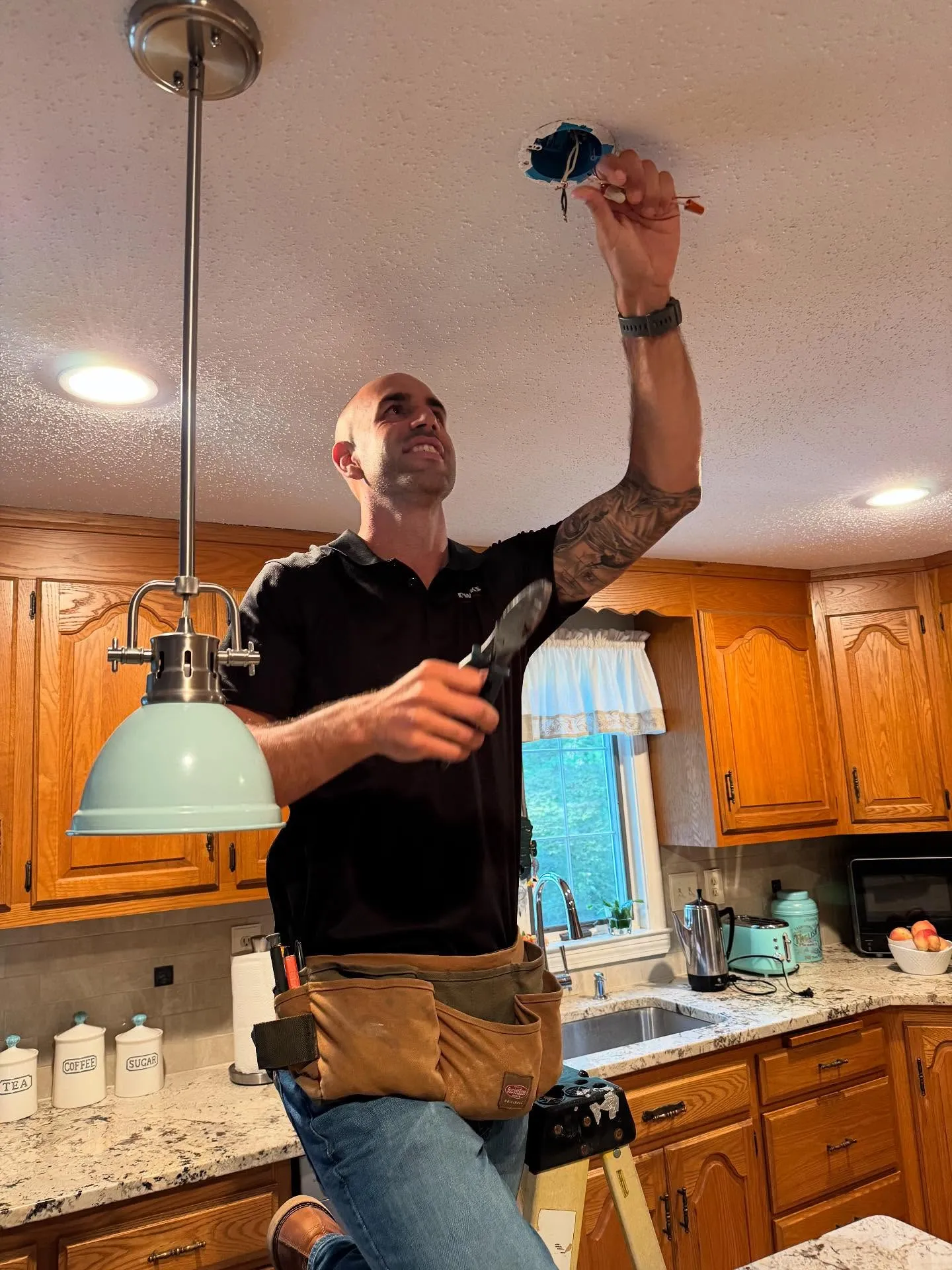
Real crews, real Connecticut houses, no stock photography.
Need help today?
Whether it's an emergency repair or you're planning your next home upgrade, our friendly team is ready to help.
Call 860-245-1986Book electrical service online
Tell us what’s going on and we’ll call to confirm your appointment window.