

The honest version of the repair-or-replace conversation
Every HVAC company says they will not upsell you. Here is the arithmetic we actually use, so you can check our work.
Age first. Under about ten years, repair almost always wins, the system has years left and the repair buys all of them. Between ten and fifteen, it depends on the failure and what else is showing wear. Past fifteen, with a compressor or major refrigerant failure, replacement usually wins on running cost alone even before reliability enters into it.
Then refrigerant. R-22 was phased out and its price reflects that. A system needing a significant recharge is often uneconomic to keep regardless of age, and no amount of goodwill changes that maths.
Then the pattern. One repair on an eleven-year-old system is normal. Three repairs in two summers is a system telling you what comes next, usually during the hottest week of the year.
At a glance
- Both numbers, in writingRepair cost and replacement cost side by side, always.
- Age and history weightedWhat has already failed matters as much as what failed today.
- Running-cost comparisonWhat the new system actually saves over a Connecticut season.
- Emergency replacementIf you are without cooling in a heatwave, we can usually move fast.
When replacement is the right call
Any two of these together and the conversation changes.
Fifteen years or more
Past fifteen, component failures cluster and each repair buys less time than the last.
R-22 refrigerant
Phased out and expensive. Any repair needing a significant recharge on an R-22 system rarely justifies itself.
Repeated repairs
Two or three calls across two summers is a pattern, not bad luck.
Repair approaching replacement
When a single repair reaches a meaningful share of a new system, the money is better spent forward.
Never comfortable
If the house has always been clammy or unevenly cooled, the system is likely oversized or badly ducted, replacement is the chance to fix both.
Rising bills
A system losing efficiency every season is costing you a little more each month while you decide.
How a replacement goes
Same rigour as a new installation, because that is what it is.
Price a replacementAssess before quoting
Load calculation, ductwork inspection and static pressure. Replacement is the one chance to correct problems the old system lived with.
Options, priced honestly
Usually three: like-for-like, a higher-efficiency option, and a heat pump if your heating is also ageing. Running costs shown for each.
Install day
Old equipment out and disposed of, new system set, line set replaced or verified, electrical and condensate done properly.
Commission and close out
Weighed charge, verified superheat and subcooling, balanced airflow, thermostat configured, warranty registered and permit closed with the inspector.
What a replacement covers
Everything the old system was living with gets looked at, not just the box outside.
Assessment
- Cooling load calculation for the actual house
- Ductwork condition and static pressure
- Existing line set inspection
- Electrical capacity and disconnect condition
- Condensate routing review
- Heat pump comparison where heating is also ageing
Installation
- Old equipment removed and disposed
- New condenser and matched indoor coil
- Line set replacement or verified reuse
- Plenum and transition corrections
- Dedicated circuit and safety switch
- Level pad or bracket mounting
Handover
- Weighed refrigerant charge
- Superheat and subcooling verified
- Airflow balanced across registers
- Thermostat configured and explained
- Warranty registered on your behalf
- Permit closed with the town inspector
Replacement cost, and how to soften it
Replacement pricing sits in the same range as a new installation, and the variables are the same: efficiency tier, duct corrections, line set condition and electrical work. We itemise all of it.
The $250 installation special applies, and financing runs to sixty months on approved credit, which for most households turns an unplanned failure into a manageable monthly number rather than an emergency.
If your heating equipment is also near the end, ask us to price a heat pump alongside. Replacing both systems with one is frequently cheaper than replacing them separately, and qualifying equipment falls under Energize Connecticut incentives.
What moves the price
- Efficiency tier chosenThe single biggest lever, and the one with the clearest running-cost trade-off.
- Duct correctionsFixing an undersized return costs money and is the difference between rated and actual performance.
- Line set conditionReplacement is sometimes necessary, particularly when moving from older refrigerants.
- Heat pump upgradeCosts more than a like-for-like swap and replaces two systems instead of one.
AC replacement questions
How do I know it is time to replace rather than repair?
Age, refrigerant type and repair history. Past fifteen years, on R-22, with a major component failing, replacement almost always wins. Under ten years with a single fault, repair does. In between, we put both numbers in front of you.
Can you replace just the outdoor unit?
Rarely a good idea. Modern outdoor units are matched to specific indoor coils, and mismatched equipment underperforms and can void the warranty. We will explain the specifics for your system.
How quickly can you replace a failed system?
In a heatwave we move as fast as we can, often within a few days, sometimes sooner if the equipment is stocked. We will give you a real date rather than an optimistic one.
Will a new system lower my electricity bill?
Almost always, and the size of the drop depends on what you are replacing. Going from an old single-stage unit to modern variable-speed equipment is a meaningful difference over a Connecticut summer.
Should I replace the furnace at the same time?
If it is a similar age, it is worth pricing. Sharing the labour and the sheet metal work across both usually costs less than two separate jobs, and it is the right moment to consider a heat pump instead.
Do you dispose of the old equipment?
Yes, included in the quote. It leaves with us on install day and is disposed of properly, with refrigerant recovered as required.
On the job
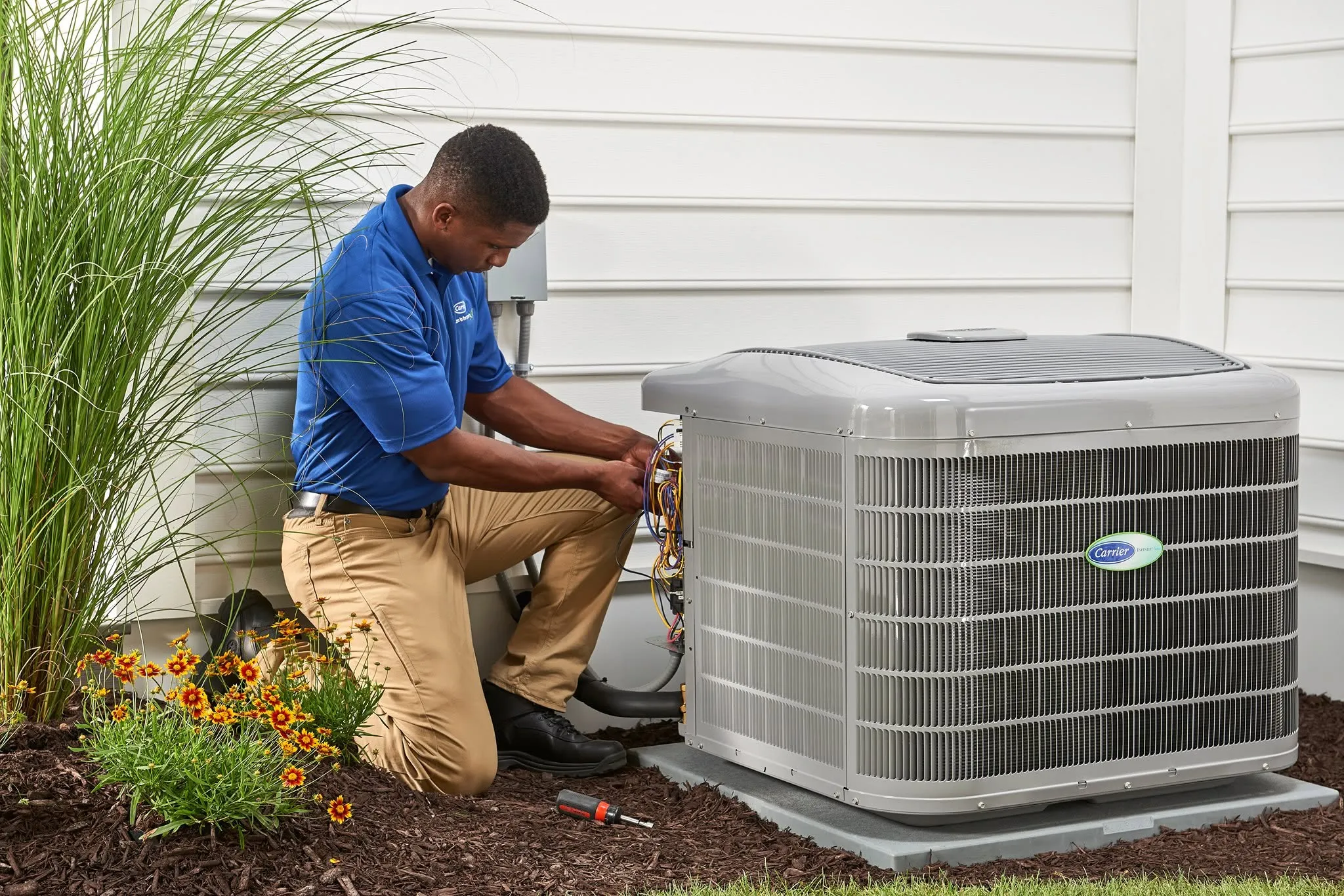
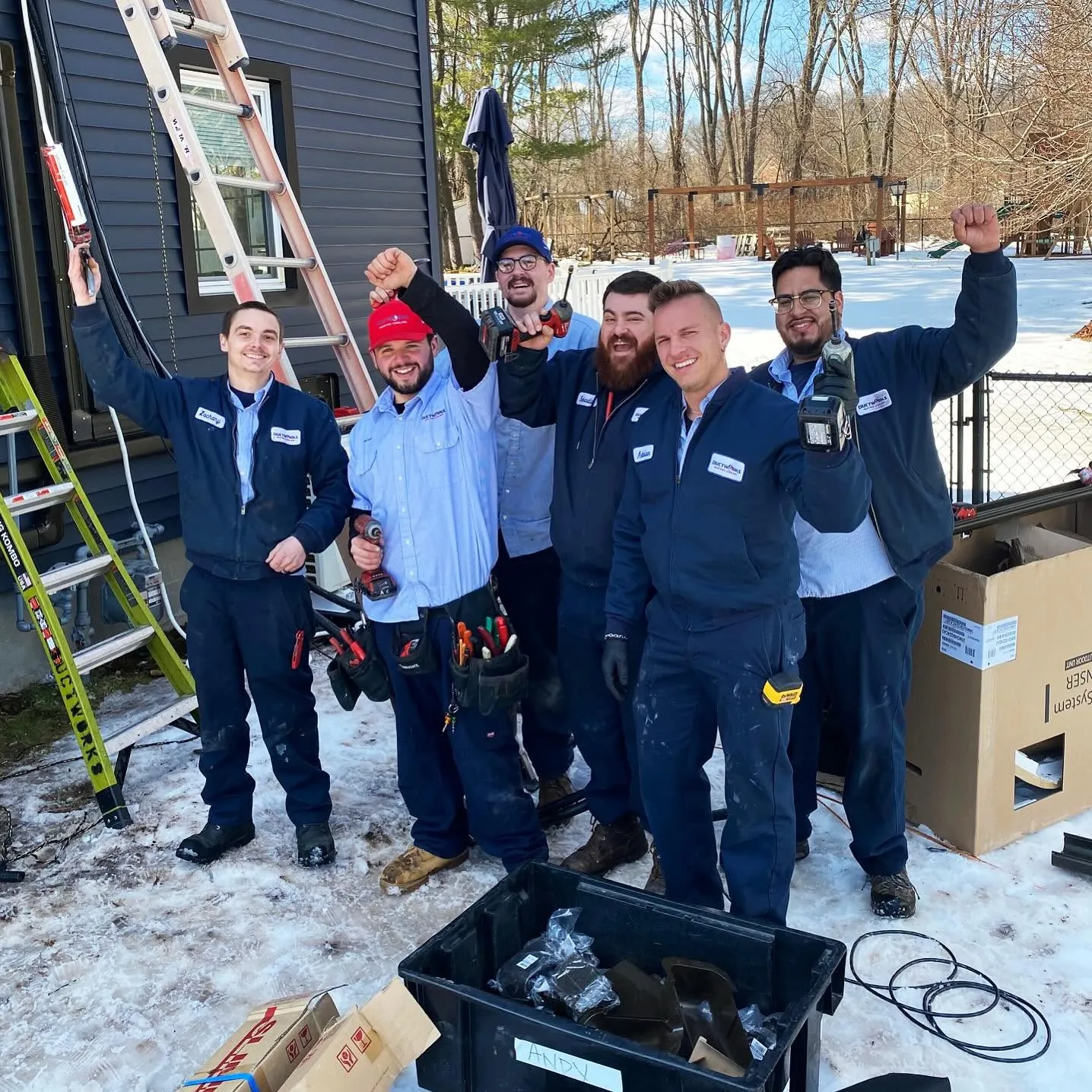
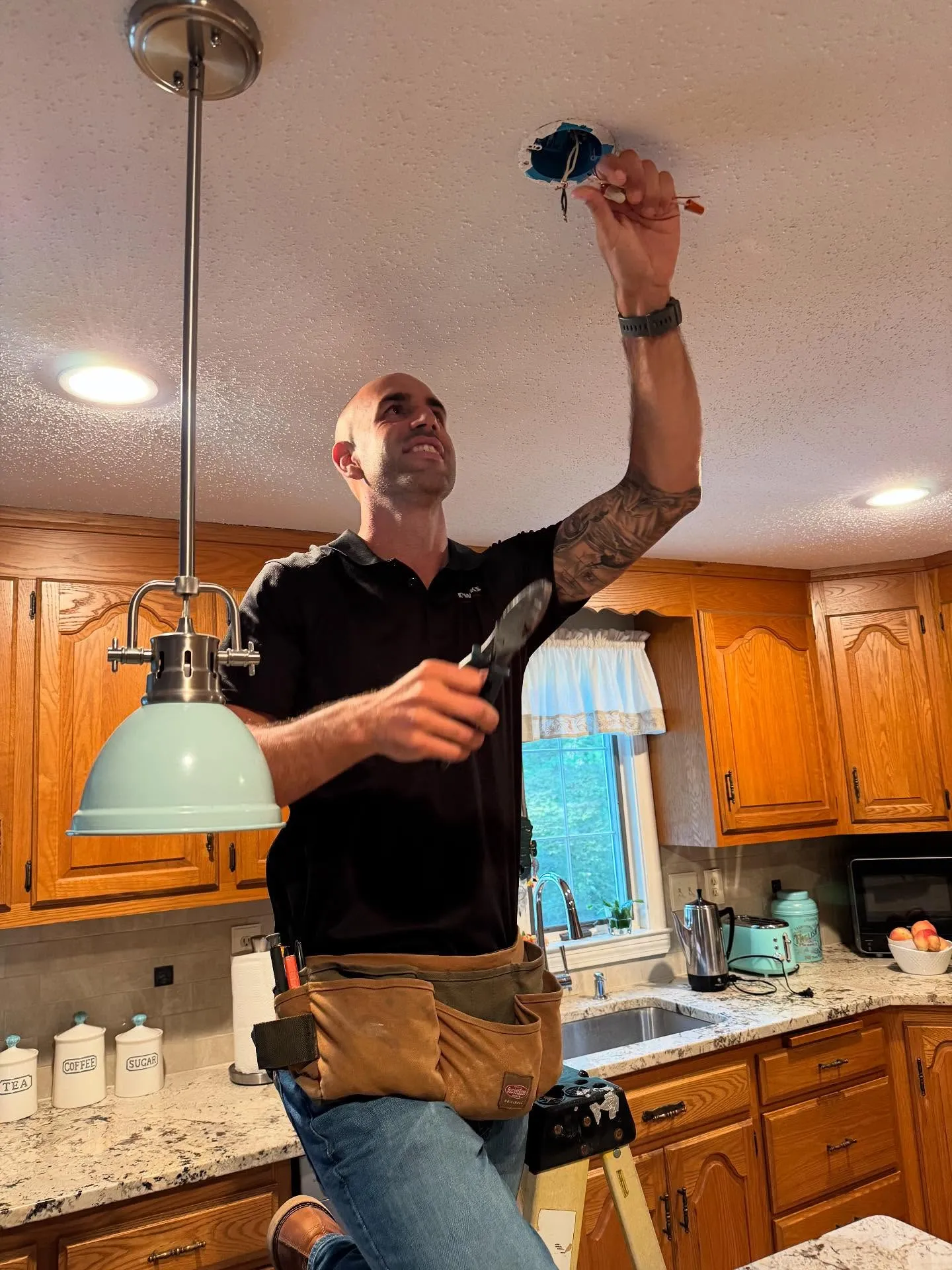
Real crews, real Connecticut houses, no stock photography.
Need help today?
Whether it's an emergency repair or you're planning your next home upgrade, our friendly team is ready to help.
Call 860-245-1986Book cooling service online
Tell us what’s going on and we’ll call to confirm your appointment window.